
Add us as your preferred source on Google to see more of our content in Search.
 Add to Preferred Sources
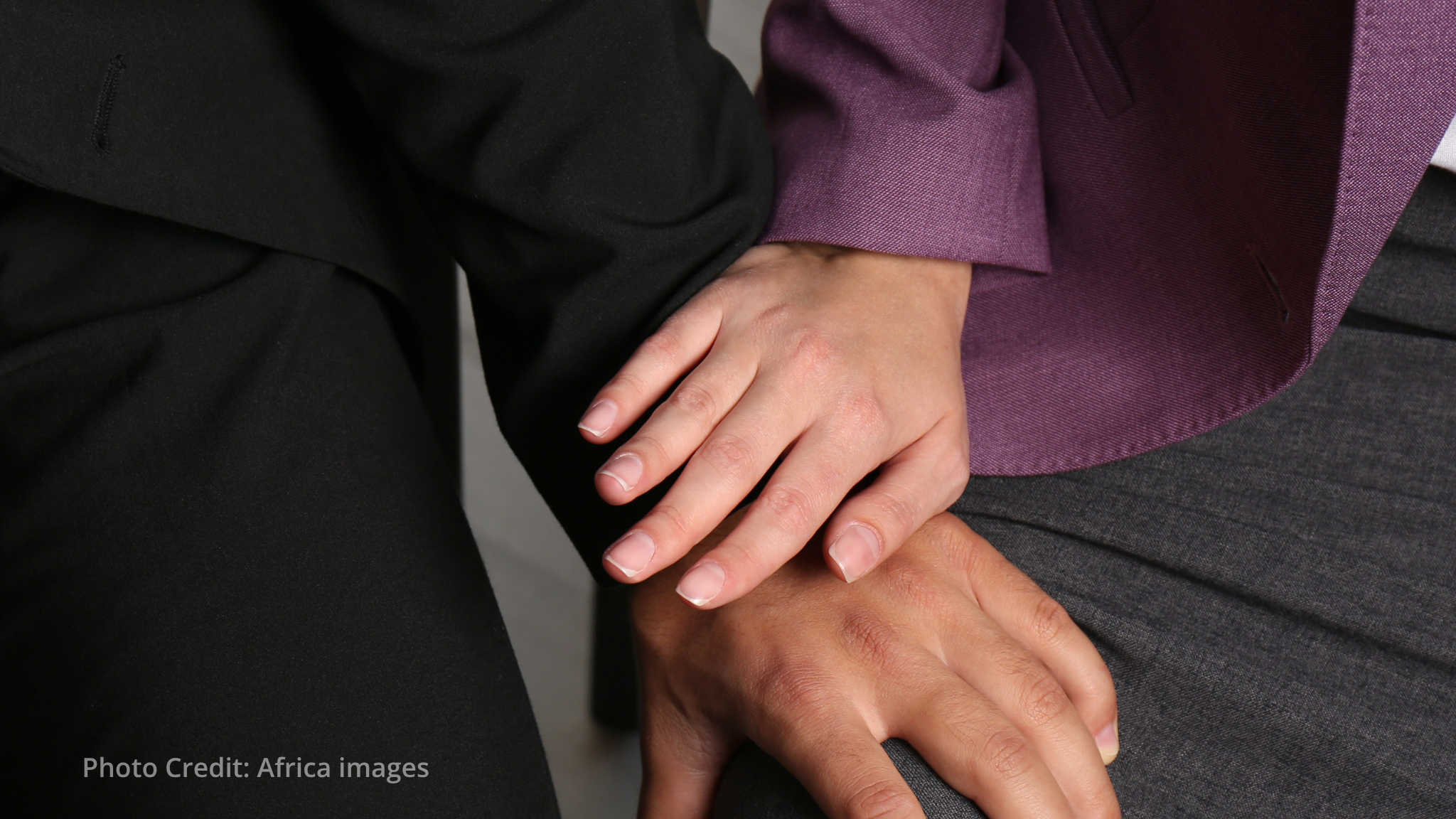
A new United Nations report has confirmed that conflict-related sexual violence is being used systematically across Sudan, with devastating consequences for women and girls, according to a press release issued by Plan International on 24 June 2026. The findings echo warnings from survivors, communities, and humanitarian organizations over recent months. Plan International stated the report’s conclusions came as no surprise. The organization underlined that the violence is being deployed deliberately against civilians. It called for urgent international action to protect survivors and uphold humanitarian law.
The UN Human Rights Office, OHCHR, verified 546 incidents of conflict-related sexual violence in 16 of the 18 states of Sudan. The incidents were recorded from the beginning of the conflict to mid-April this year. At least 838 victims were affected, mostly women and girls. The report’s authors describe this sample as just the “tip of the iceberg,” noting that many incidents go under reported. Plan International placed these figures within an ongoing humanitarian emergency across the country.
Plan International’s Sudan Country Director, Mohamed Kamal, addressed the scale and intent of the violence documented. He stated that gang rape, sexual slavery, and violence in detention are not uncommon in Sudan. According to Kamal, the violence is being used deliberately to terrorize communities and destroy lives. He described the situation as one in which sexual violence is being used as a weapon of war at a horrifying scale. The statement framed the findings as confirmation of patterns long evident on the ground.
“This report confirms what has long been evident. The grim truth that in Sudan, Sexual violence is being used as a weapon of war at a horrifying scale in Sudan,” Kamal said. He added that attacks on health facilities and insufficient humanitarian funding have compounded the crisis. As a result, many survivors are left without access to care, psychosocial support, or legal protection. Plan International stressed that survivors must be treated with dignity and supported through comprehensive, survivor-centred services. Such provision is described as a key pillar of the organization’s humanitarian response in Sudan.
Plan International recalled that just a few months ago it had warned about the risk of mass atrocities in El Fasher. It noted that atrocities are now being committed across Sudan, from El Obeid and beyond. The organization urged all parties to the conflict to cease attacks on civilians immediately and end all forms of sexual violence. It also called on them to uphold their obligations under international humanitarian and human rights law. Finally, it appealed for safe, sustained, and unhindered humanitarian access so that aid workers can reach those in desperate need.