
Add us as your preferred source on Google to see more of our content in Search.
 Add to Preferred Sources
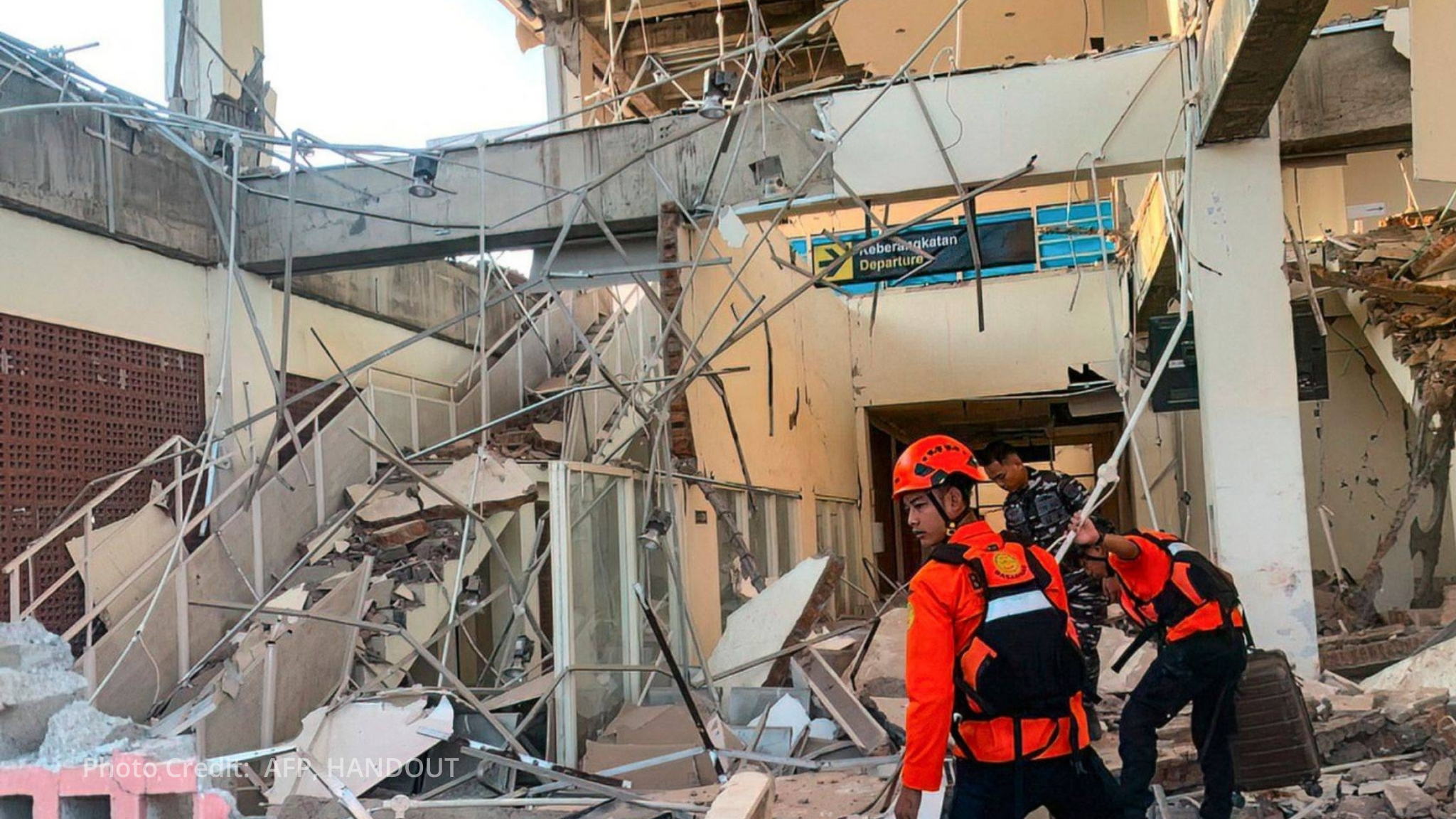
Plan International has deployed emergency assessment teams following a 7.7 magnitude earthquake that struck Flores Island in East Nusa Tenggara (NTT) in the east of Indonesia early Saturday morning, 15 August 2026. The earthquake was centered 30 km northeast of the town of Mbay, where early reports indicate that over 30 people have been killed and many others injured, according to a press release by Plan International. Homes and schools have been damaged, and landslides have cut off critical supply routes, including the Trans Ende-Bajawa highway. An initial tsunami warning has since been lifted. However, access to remote communities remains severely restricted.
Flores Island lies within East Nusa Tenggara province in eastern Indonesia, an area now facing considerable disruption after the quake. The tremor caused structural damage across residential and educational buildings. Landslides have blocked essential transport routes linking affected districts. Communication and supply lines to isolated communities have been compromised. Emergency responders are working to reach the hardest-hit populations.
Plan Indonesia has sent teams to assess damage across five targeted areas: Sikka, Nagekeo, East Manggarai, Bajawa and Lembata, alongside Manggarai. The teams are working with local partners to identify the immediate needs of affected children, families, and vulnerable communities. As part of its initial emergency intervention, Plan International Indonesia is providing psychosocial support and distributing safe drinking water, shelter kits, and Menstrual Hygiene Management (MHM) kits. The response will include community feedback and accountability mechanisms. These aim to ensure that the voices, priorities, and concerns of affected communities directly inform operations.
“Disasters of this scale do not just destroy infrastructure they shatter children’s sense of safety. Our immediate priority is verifying the welfare of children in hard-hit communities and delivering essential relief to those cut off by landslides,” said Dini Widiastuti, Executive Director of Plan Indonesia. She further stressed the heightened risks that girls face during emergencies. “In any emergency, girls face unique and heightened risks, which is why humanitarian efforts must prioritise their health, safety, dignity and protection from the very beginning and throughout recovery,”
Widiastuti added. She noted that disasters can dramatically increase protection risks for girls, disrupting their education, limiting access to safe spaces, increasing the risk of gender-based violence, and creating serious sanitation and hygiene challenges.
Plan Indonesia has called on local authorities and humanitarian partners to ensure that child-centric protection measures are embedded throughout emergency relief and recovery operations. Assessment teams remain active across the five targeted areas. Coordination with local partners continues to identify pressing needs on the ground. Relief distribution and psychosocial support are being rolled out as part of the immediate response. The organization remains focused on the welfare of children and vulnerable communities affected by the disaster.