
Add us as your preferred source on Google to see more of our content in Search.
 Add to Preferred Sources
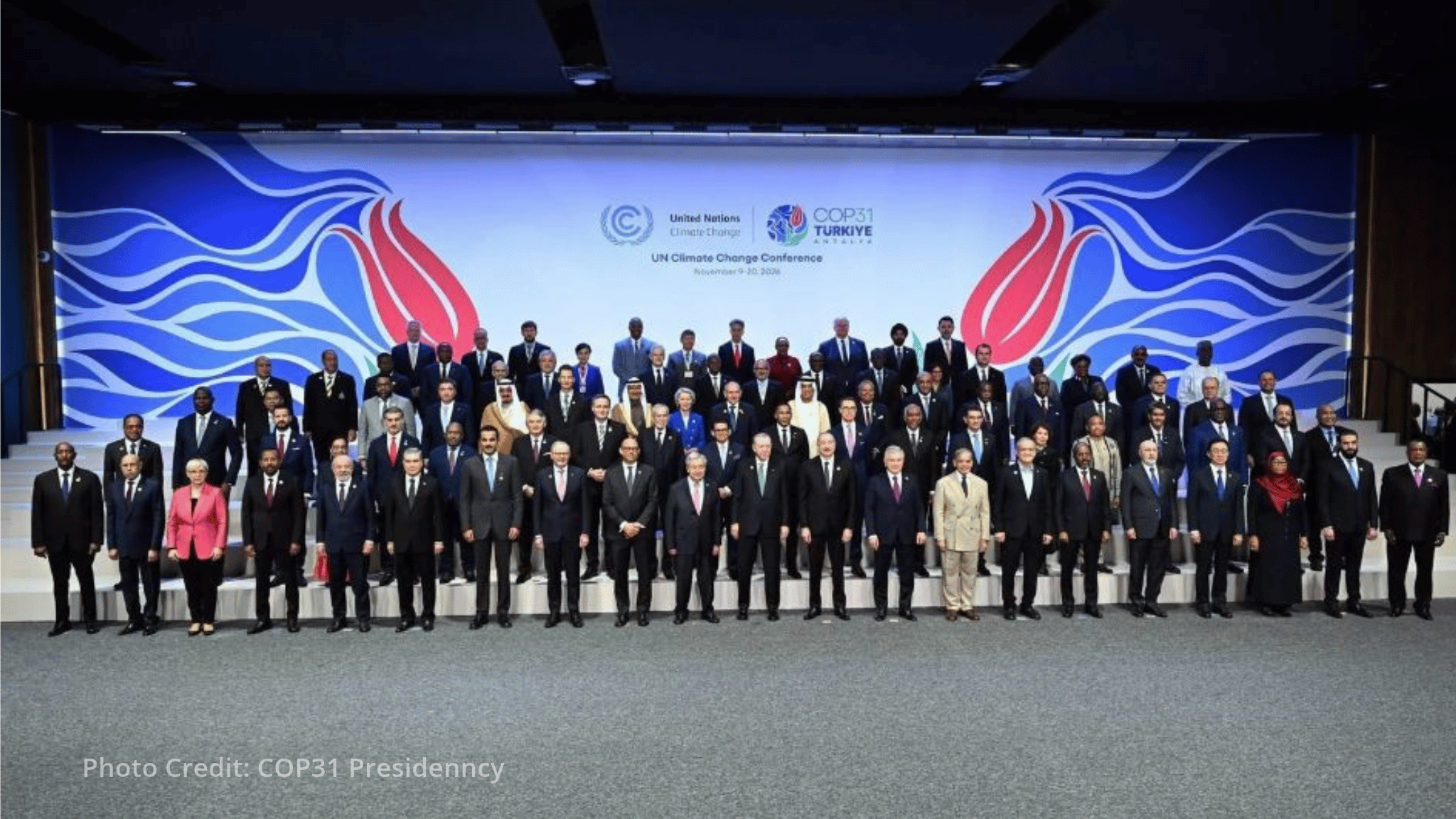
At the COP31 Leaders’ Summit held in Antalya, Türkiye, on November 11, 2026, a group of countries endorsed the Presidency’s pledge to raise electricity’s share of final global energy use from around 23% today to 35% by 2035, according to a press release issued by the World Resources Institute (WRI). The announcement positions electrification as a central lever for strengthening energy security and reducing household energy costs. WRI’s Polsky Center for the Global Energy Transition welcomed the move through a formal statement. The pledge was framed as a signal that the future of energy security is electric. It also calls on more countries to join and act on the commitment.
The endorsement follows a year marked by energy price shocks and geopolitical instability, which have reinforced calls to move away from volatile fossil fuel markets. The COP31 Presidency put forward the 35×35 goal as a benchmark for accelerating the global energy transition. WRI has been tracking the Presidency’s proposed goals on global electrification throughout 2026. The organization has also highlighted how electrification can lower energy bills if implemented correctly. The statement was delivered by Dr Nick Wayth, Global Director of the WRI Polsky Center for the Global Energy Transition.
Dr Wayth urged more countries to swiftly endorse the pledge and, more importantly, to turn commitments into action. He called on governments to publish credible electrification and clean-energy roadmaps detailing the investments, policies, and regulatory reforms required. According to the statement, these plans must ensure that power grids keep pace as more of the economy electrifies. That will require tackling both supply and demand sides of the energy system. The approach is intended to align national ambitions with deliverable outcomes.
On the supply side, countries are expected to accelerate clean power, invest in grids and storage, and improve use of existing infrastructure through greater system flexibility. On the demand side, measures should incentivize electric vehicles and buses, heat pumps, appliances, and factories. “Electrification and a just, equitable transition away from fossil fuels are two sides of the same coin,” Dr Wayth said. He noted that the pathway to reduce dependence on oil, gas, and coal will look different in each country. Brazil’s work on a global fossil fuel transition roadmap was cited as a way to connect these agendas.
The statement concluded that the priority now is to translate international commitments into credible national policies, investments, and real-world progress. The 35×35 pledge sets a measurable target for countries supporting the COP31 Presidency’s agenda. WRI positioned the endorsement as an early signal from adopters willing to lead the shift. Follow-through through national roadmaps will determine whether the pledge delivers on its promises. The outcome will shape the next phase of the global energy transition.