
Add us as your preferred source on Google to see more of our content in Search.
 Add to Preferred Sources
Children left due to internal migration have significantly more mental health challenges, unaccompanied minors are increasingly held in detention centers with inadequate education services, and about 4 million 5- to 17-year-old refugees were out of school in 2017.
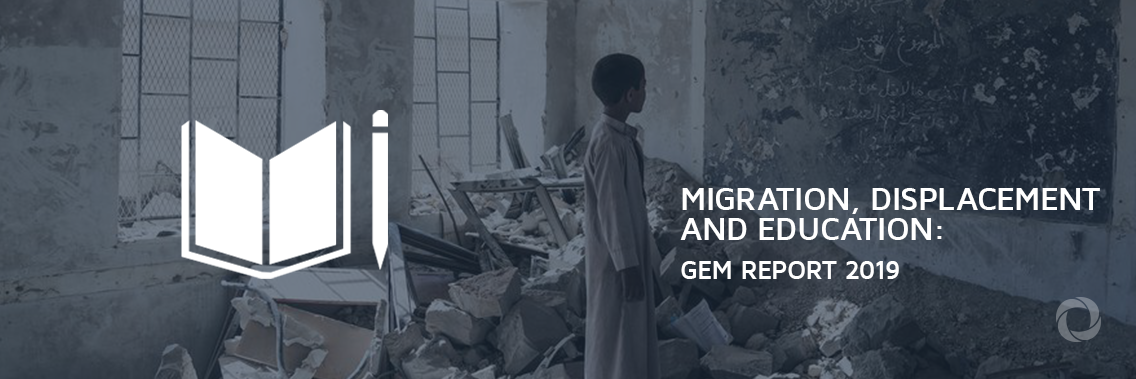
The most recent report on education around the world – the 2019 Global Education Monitoring Report (GEM Report) – reveals some alarming data which has come under the spotlight of international organizations. This year’s issue focuses on migration and displacement and raises concerns over issues such as parallel education systems for refugees, the inclusion of displaced children and adolescents in national education systems, and insufficient development and humanitarian aid to education.
The Global Education Monitoring Report is an independent annual publication, published by UNESCO since 2016. The Education 2030 Incheon Declaration and Framework for Action has mandated the report as ‘the mechanism for monitoring and reporting on SDG 4 and on education in the other SDGs’. The launch of the 2019 edition of GEM Report coincided with the proclamation of 24 of January as International Day of Education at the high-level Global Education Meeting which reviewed progress towards global education targets and commitments. SDG 4 (quality education) is also one of the goals up for in-depth review at the UN High-level Political Forum on Sustainable Development (HLPF), due to take place in July 2019.
DevelopmentAid’s new vlogging series takes you through the takeaways from the GEM Report, explaining how and why migrant and refugee children and adolescents are left behind when education is at stake.