
Add us as your preferred source on Google to see more of our content in Search.
 Add to Preferred Sources
First malaria vaccine pilot launched, Mozambique bracing to face a second massive storm in the past month and Libya caught in the midst of intensifying fighting. Here is what you missed from last week’s top stories in the international development sector:
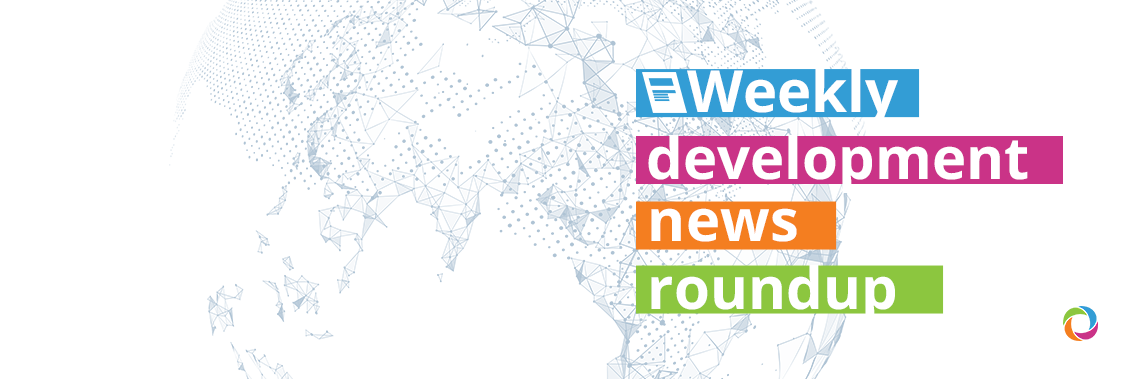
First malaria vaccine pilot launched
Gavi, the Vaccine Alliance, the Global Fund to Fight AIDS, Tuberculosis and Malaria and Unitaid together funded the first phase of the malaria vaccine pilots, Malawi being the first country testing the vaccine. In clinical trials, the vaccine was found to prevent approximately 4 in 10 malaria cases, as well as 3 in 10 cases of life-threatening severe malaria.
“The malaria vaccine is an exciting innovation that complements the global health community’s efforts to end the malaria epidemic,” said Lelio Marmora, Executive Director of Unitaid.
The announcement came the same week as World Malaria Day was marked and the World Health Organization (WHO) inaugurated a grassroots campaign to emphasize country ownership and community empowerment to improve malaria prevention and care.
The latest World Malaria Report says that the worldwide number of malaria cases remained virtually unchanged from 2015 to 2017.
Mozambique braces for second massive tropical storm
UNHCR, the government of Mozambique and other partners have begun relocating families displaced by Cyclone Idai back to areas closer to their places of origin. The announcement came amid aid preparations for a second massive storm approaching to northern coastal areas of Mozambique.
Just a month ago, Cyclone Idai hit the southern African nations of Mozambique, Malawi and Zimbabwe. Hardest hit was Mozambique where the cyclone killed some 600 people with more than 1,600 injured, according to official estimates.
With an estimated 1.8 million people in need of humanitarian assistance in Mozambique, humanitarian agencies have been able to reach only 30 percent of the target population due to extensive damages to infrastructure and low funding.
Fighting intensifies in Libya
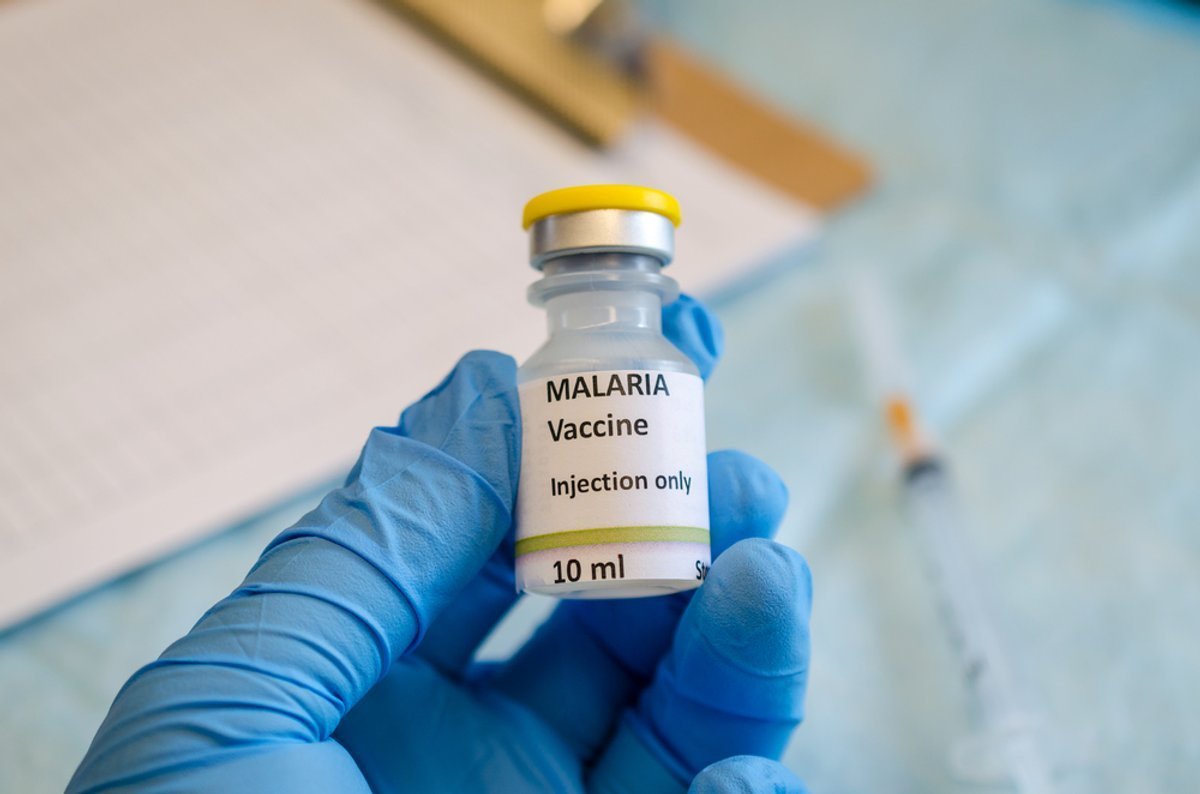
Clashes between the Government and the Libyan National Army erupted south of Tripoli on 4 April, immediately impacting the civilian population in and around Tripoli. Nearly three weeks of fighting in the Libyan capital has displaced close to 35,000 people, claimed over 200 lives, and injured more than 1,000. UNICEF says that around 500,000 children are estimated to be affected by violence.
Humanitarian organizations announced they are urgently seeking US$10.2 million to be able to meet the most pressing needs of Libyans. Meanwhile, UNHCR evacuates hundreds of detained refugees in Libya to safety.
UN and the EU signed a Framework on Counter-Terrorism
The Framework for UN-EU cooperation on countering terrorism and preventing violent extremism is set to promote cooperation on capacity building to counter terrorism and prevent and counter violent extremism (PCVE) in Africa, the Middle East, and Asia. It will as well support the development of national and regional PCVE action plans promoting youth engagement and gender perspectives.
Our last week’s featured story: Interview with Stela Bivol, director of the Center for Health Policies and Studies (PAS), the principal recipient of the Global Fund financing for both HIV and TB grants in Eastern Europe and Central Asia region
In October 2019, the Global Fund is hosting its Sixth Replenishment Conference. Eastern Europe and Central Asia region relies heavily on Global Fund financing in order to keep the HIV and TB epidemic in control. Currently, it is the only region in the world where there is still an increasing HIV epidemic and a very high burden of multi-drug resistant TB (MDR TB).
In the interview, Stela Bivol outlines the progress achieved due to GF support in the EECA region and emphasizes the reasons why the Global Fund Replenishment Conference is so important for the region.
Here’s what else happened
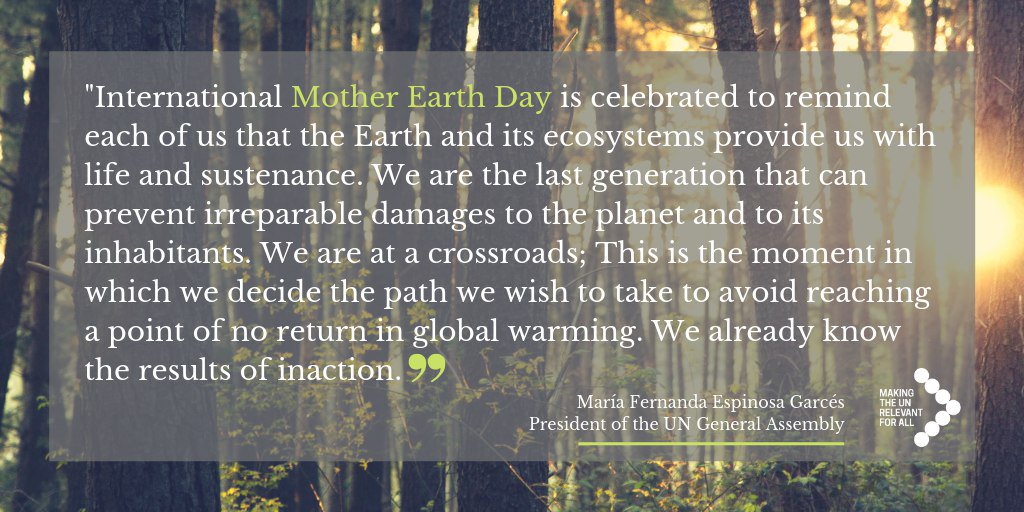
Wildlife trade: Marking Earth Day on Monday, the UK Government announced it will offer a £4.6 million funding per project via the Illegal Wildlife Trade Challenge Fund for a series of schemes combating illegal wildlife trade.
Measles: Over 20 million children worldwide missed out on measles vaccine annually in the past 8 years, according to UNICEF. Widening pockets of unvaccinated children have created a pathway to the measles outbreaks hitting several countries around the world today, United States, France and UK being at the forefront of high-income countries with the most children not receiving the first dose of the vaccine.
International Day of Multilateralism and Diplomacy for Peace: On April 24, the first official International Day of Multilateralism and Diplomacy for Peace was celebrated with the General Assembly convening for a high-level plenary meeting to commemorate and promote the day. United Nations Secretary-General António Guterres pointed out that multilateral arrangements established after the Second World War have, among others, “ helped to prevent a third descent into global conflagration”.
African youth: Chairperson of the African Union Commission (AUC) formally unveiled the 1 Million by 2021 Initiative. The initiative aims to reach millions of African youth from across the continent with opportunities and interventions in the key areas of employment, entrepreneurship, education and engagement.
Central American Dry Corridor: Erratic weather patterns in the Central American Dry Corridor left 1.4 million people in urgent need of food assistance. The United Nations Food and Agriculture Organization (FAO) and the World Food Programme (WFP) warned that prolonged droughts and heavy rain have destroyed more than half of the maize and bean crops of the subsistence farmers along the corridor, leaving them without food reserves.
Chernobyl: The New Safe Confinement at the Chernobyl nuclear power plant successfully completed its final commissioning test on the eve of the Chernobyl Disaster Remembrance Day. The New Safe Confinement will enable the long-term safe and secure deconstruction of the old shelter and the destroyed reactor, as well as the removal of the radioactive inventory.
Quote of the week
Events announced
52nd Greater Horn of Africa Climate Outlook Forum (GHACOF 52)
Addis Ababa, Ethiopia
27-28 May 2019
Among the main objectives of the forum are following up on the implementation of mitigation measures proposed in GHACOF 51 and developing consensus regional climate outlook for the June to September 2019 season. The Forum also wants to provide a regional interaction platform for decision makers, climate scientists, research scientists as well as users of climate information.
Global Soil Week 2019
Nairobi, Kenya
27-30 May 2019
The GSW 2019 aims to, inter alia, emphasize the role of enabling environments for smallholder farms in ending hunger in rural areas, enhancing adaptive capacity, achieving land degradation neutrality (LDN), and sustainably managing biodiversity and natural resources as well as explore enabling environments for investments in sustainable and climate-resilient agriculture over time and at scale.
European Climate Change Adaptation Conference (ECCA 2019)
Lisbon, Portugal
28-31 May 2019
The biennial European Climate Change Adaptation conference is convened by projects that have received funding from the European Union’s Horizon 2020 Research and Innovation Framework Programme. ECCA 2019 – Working together to prepare for change – is the fourth such conference, to be hosted in Lisbon. The conference aims to support ongoing efforts to enhance the coherence and synergy between CCA and DRR research, policy and practice and provide a stage for presenting European’s excellence on Research & Innovation for CCA.
Women Deliver 2019 Conference
Vancouver, Canada
3-6 June 2019
The Women Deliver 2019 Conference will be the world’s largest conference on gender equality and the health, rights, and wellbeing of girls and women in the 21st century. It will serve as a catalyst for advocates working to achieve a more gender equal world. More than 6,000 world leaders, influencers, advocates, academics, activists, and journalists are expected to attend the event.
African Development Bank Group Annual Meeting
Malabo, Republic of Equatorial Guinea
11-14 June 2019
This year’s Annual Meetings focuses on ‘Regional Integration for Africa’s Economic Prosperity’. An expected 3000 participants will include finance ministers, central bank governors, policymakers, civil society organizations, leaders of international organizations and captains of industry from the Bank Group’s 80 Member States.
UN Climate Action Summit 2019
United Nations Headquarters (UNHQ), New York, USA
23 September 2019
UN Secretary-General António Guterres is calling on all leaders to come to the Climate Action Summit with concrete, realistic plans to enhance their nationally determined contributions by 2020, in line with reducing greenhouse gas emissions by 45 percent over the next decade, and to net zero emissions by 2050.
The Summit aims to develop ambitious solutions in six areas: a global transition to renewable energy; sustainable and resilient infrastructures and cities; sustainable agriculture and management of forests and oceans; resilience and adaptation to climate impacts; and alignment of public and private finance with a net zero economy.