
Add us as your preferred source on Google to see more of our content in Search.
 Add to Preferred Sources
The annual High-level Political Forum brings a series of SDGs under review, Chernobyl permanent shelter ready and international organizations appealing for a shift in the approach towards refugees and migrants. Here is what you missed from last week’s headlines in the international development sector:
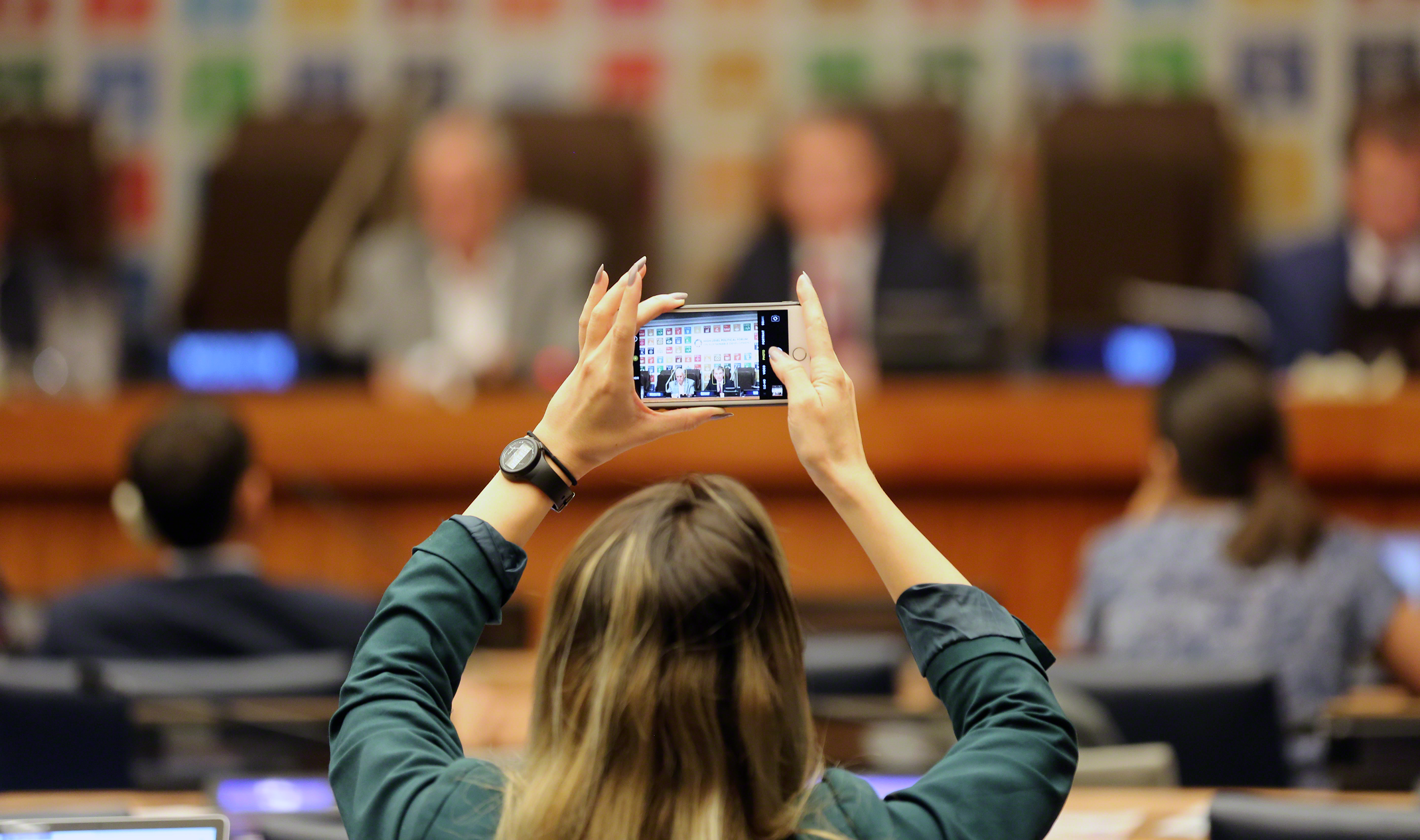
Annual Global Meeting on the SDGs unfolding in New York
If we do not urgently address inequality and climate change, perhaps the two biggest threats facing humanity right now, the world will not achieve the Sustainable Development Goals (SDGs), said Achim Steiner, the Administrator of the United Nations Development Programme (UNDP), ahead of the start of the High-Level Political Forum (HLPF) taking place in New York from 9 to 18 July 2019.
The forum brings together global leaders and officials who take stock of progress towards the Goals with a focus on “empowering people and ensuring inclusiveness and equality”. The goals to be reviewed in depth are Quality Education (Goal Nr. 4), Decent Work and Economic Growth (Goal Nr. 8), Reduced Inequalities (Goal Nr. 10), and others.
Among the highlights of the forum are statements about the learning crisis, which was said to be stalling progress across the 2030 Agenda and that Science is ‘key’ to pushing forward the 2030 Agenda.
On the subject of SDG4, which was assessed for the first time since its adoption in 2015, UNESCO’s Assistant-Director-General for Education Stefania Giannini said that the learning crisis required stronger leadership and new approaches to transform education.
Ms. Giannini called for making “inclusion the redline of every policy in education” and emphasized some essential principles to guide action, from empowering girls and women, mobilizing finance and building alliances.
On the third day of the HLPF, Romain Murenzi, Executive Director of the World Academy of Sciences Resource, reminded participants that an independent group of scientists was mandated to “bring together different perspectives in trends of science to inform the 2030 Agenda and to contribute to the science-policy interface”. Therefore, Mr. Murenzi flagged that some targets are “most alarmingly going in the wrong direction”.
“We can say that they are backtracking, showing negative tendencies, with rising inequalities within countries”, lamented Mr. Murenzi. “Hence, it becomes very clear that sectoral approaches to SDGs cannot be enough and that we need to have a plan to accelerate and scale-up actions”.
The forum continues this week, with UNDP and the Alliance of Small Island States co-hosting a young climate activist and other disruptors to discuss how to shake up the status quo of climate action. Panelists will explore how countries and the broader public can do more and move faster to fulfill the Paris Agreement and put a halt to the damage that climate change is causing.
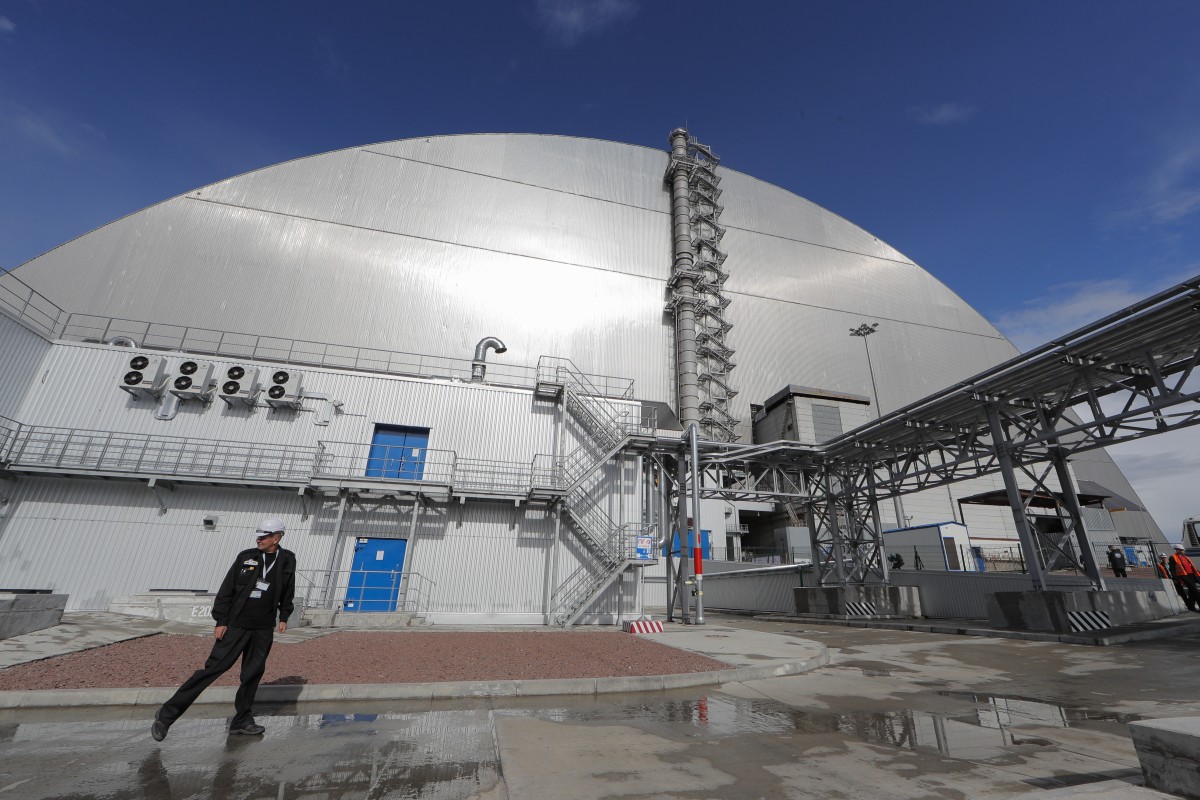
Chernobyl safe confinement ready
As the Chernobyl permanent shelter construction concluded, the management of it has been handed to the Ukrainian authorities. This is an important milestone in overcoming Chornobyl’s deadly and costly legacy. It will make the site more environmentally safe, allowing the dismantling of the provisional shelter and the management of radioactive waste.
The construction of the permanent shelter started in 2012 and cost €1.5 billion, with contributions from the international community. The European Commission has been a major donor to the construction of the shelter, with over €431 million.
“Today’s handover of the permanent shelter to the Ukrainian authorities turns a page in history, allowing for the safe management of the remaining radioactive materials and waste, and better protection of the environment,” said Neven Mimica, Commissioner for International Cooperation and Development.
This milestone is the result of over a decade of work since the preliminary design was approved in 2004.
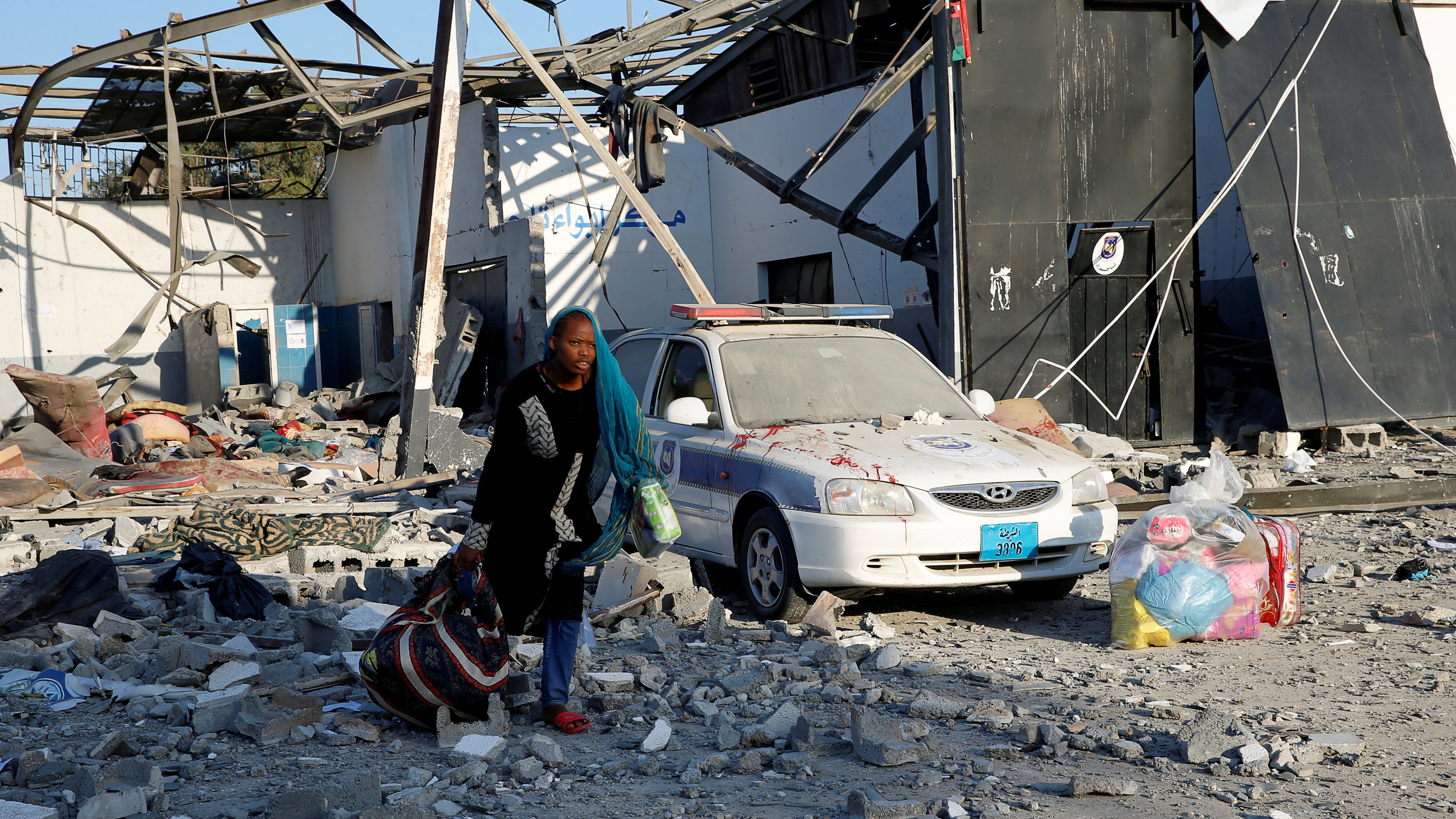
UNHCR and IOM appealing for a shift in the international approach to refugees and migrants in Lybia
The International Organization for Migration (IOM) and the UN Refugee Agency have made a joint statement in the aftermath of the killing of 50 refugees and migrants due to an airstrike on the Tajoura Detention Centre in the east of Libya’s Tripoli. Both organizations appealed to the European Union and African Union to prevent such tragedies from happening again. They also called on the international community to consider the protection of the human rights of migrants and refugees a core element of its engagement in Libya.
Among the demands mentioned in the joint statement, the organizations ask for the 5,600 refugees and migrants currently held in centres across Libya be freed in an orderly manner and their protection guaranteed or evacuated to other countries from where accelerated resettlement is needed. In addition, migrants wishing to return to their countries of origin should continue to be able to do so.
The Tajoura Detention Centre, attacked during an airstrike on July 3d, is currently closed, and some 400 attack survivors have been moved to the Gathering and Departure Facility. According to IOM and UNHCR, the centre is now badly overcrowded and work is ongoing to secure the evacuation of the people, particularly the most vulnerable, from Libya. However, many other refugees and migrants remain in detention elsewhere in Libya where suffering and risk of human rights abuses continue.
Here’s what else has happened
Eastern Ukraine: An escalation in fighting is threatening access to safe water and sanitation for 3.2 million people as well as the safety of workers risking their lives to repair damaged infrastructure in Eastern Ukraine. Since the beginning of 2019, fighting in the conflict-affected areas has either disrupted or entirely halted the water supply for these people for 29 days and has damaged water and sanitation facilities 58 times.
Venezuelan refugees: 14 Latin American and Caribbean countries adopted a road map to facilitate integration in the region of refugees and migrants from Venezuela. The governments also agreed to promote the creation of a group of countries and institutions that will collaborate in mitigating the impact of the crisis in the region by mobilizing resources to support the implementation of the Quito Plan of Action.
Nigeria: Now in its tenth year, the conflict in North-east Nigeria continues to uproot the lives of tens of thousands of civilians. In recent months, a new spike in violence and military counter-operations have affected civilians in the BAY states with some 134,000 people forced from their homes since January this year.
Rohingya refugees: UNICEF-supported children’s learning centres and Child Protection centres in Cox’s Bazar have been heavily or partially damaged due to flooding and landslides caused by heavy monsoon rainfalls, according to UNICEF. More than 500,000 Rohingya children are in need of humanitarian assistance in Cox’s Bazar, with UNICEF declaring a funding gap of US$68.7 million.
DR Congo: Renewed violence in the eastern Democratic Republic of the Congo (DRC) region that is struggling to contain the ongoing Ebola outbreak, has claimed the lives of at least 160 people and displaced hundreds of thousands of others, further complicating the response to the public health emergency. IOM Chief of Mission in DRC has expressed his concern that rising displacement creates fertile ground for the spread of disease.
Reports
The Sustainable Development Goals Report 2019
The global response to realizing poverty and environmental goals agreed by world leaders in 2015 has not been “ambitious enough” according to the UN Secretary-General.
In his latest report on the progress towards meeting the targets of the 17 Sustainable Development Goals or SDGs, the UN chief António Guterres said that while a “wealth of action” had been taken by governments across the world “the most vulnerable people and countries continue to suffer the most.”
Report findings show that the rate of extreme poverty is falling, down to 8.6 percent in 2018 from 36 percent in 1990. However, the speed of poverty reduction is stalling. Gender inequality is also persistent as women and girls continue to be excluded from politics, education, and economic opportunities.
Drastic action is needed to mitigate climate change reality. The Paris Agreement is one step, with countries outlining their national contributions to cutting greenhouse gasses. The report shows that 2018 was the warmest year on record, while levels of carbon dioxide continue to rise, setting off a chain reaction of ocean acidification, more frequent extreme weather and sea level rises, among other symptoms.
Released on the first day of the High-Level Political Forum taking place in New York from 9 to 18 July, the findings of the report will be explored further at the SDG Summit in September 2019, where Heads of State will gather to fully assess progress and ways to accelerate progress on the Goals.
OECD-FAO Agricultural Outlook 2019-2028
Global demand for agricultural products is projected to grow by 15 percent over the coming decade, while agricultural productivity growth is expected to increase slightly faster, causing inflation-adjusted prices of the major agricultural commodities to remain at or below their current levels, according to an annual report by the Organisation for Economic Co-operation and Development and the UN’s Food and Agriculture Organization.
This year’s edition of the OECD-FAO Agriculture Outlook provides a consensus assessment of the 10-year prospects for agricultural and fish commodity markets at national, regional and global levels.
The Outlook projects that yield improvements and higher production intensity, driven by technological innovation, will result in higher output even as global agricultural land use remains broadly constant. At the same time, new uncertainties are emerging on top of the usual risks facing agriculture. These include disruptions from trade tensions, the spread of crop and animal diseases, growing resistance to antimicrobial substances, regulatory responses to new plant-breeding techniques, and increasingly extreme climatic events. Uncertainties also include evolving dietary preferences in light of health and sustainability issues and policy responses to alarming worldwide trends in obesity.
This year’s publication features a special chapter on Latin American and the Caribbean, a region that accounts for 14 percent of global production and 23 percent of the world’s exports of agricultural and fisheries products – a share expected to rise to 25 percent by 2028.
Events
UNCCD COP14
New Delhi, India
2-13 September 2019
The fourteenth session of the Conference of the Parties is expected to review the progress made, especially during the last two years, to control and reverse further loss of productive land from desertification, land degradation and drought.
Over 5,000 representatives from over 196 countries drawn from national, regional and local governments, science and research communities, the private sector, international and non-governmental organizations and all forms media will address these issues during the two-week event.
EBRD Regional Business Forum 2019
Tunisia
17 September 2019
Bringing together government representatives and officials, policy-makers, entrepreneurs and investors, the one-day event will explore investment challenges and business opportunities in Egypt, Jordan, Lebanon, Morocco, Tunisia and the West Bank and Gaza. Panel discussions will focus on agribusiness, renewable energy, small business, and inclusion.
SDG Summit 2019
New York, USA
24-25 September 2019
2019 will mark the first High-level Political Forum on Sustainable Development (HLPF) meeting under the auspices of the General Assembly at the level of Heads of State and Government, to follow up and review progress in the implementation of the 2030 Agenda and the 17 SDGs. The United Nations SDG Summit will be chaired by the President of the General Assembly and will also result in a concise negotiated political declaration.
The Nairobi Summit on ICPD25
Nairobi, Kenya
12-14 November 2019
The governments of Kenya and Denmark and UNFPA are co-convening the Nairobi Summit on ICPD25, a high-level conference to mobilize the political will and financial commitments urgently needed to finally and fully implement the ICPD Programme of Action. These commitments will be centred around achieving zero unmet need for family planning information and services, zero preventable maternal deaths, and zero sexual and gender-based violence and harmful practices against women and girls.