

Add us as your preferred source on Google to see more of our content in Search.
 Add to Preferred Sources
For Finland’s development financing agency, Finnfund, 2019 was its most successful year to date in terms of investments made. Looking ahead, Finnfund’s vision is to become an impact leader among European development finance institutions and to increase its investment opportunities in Africa, focusing its portfolio on climate change mitigation and adaptation.
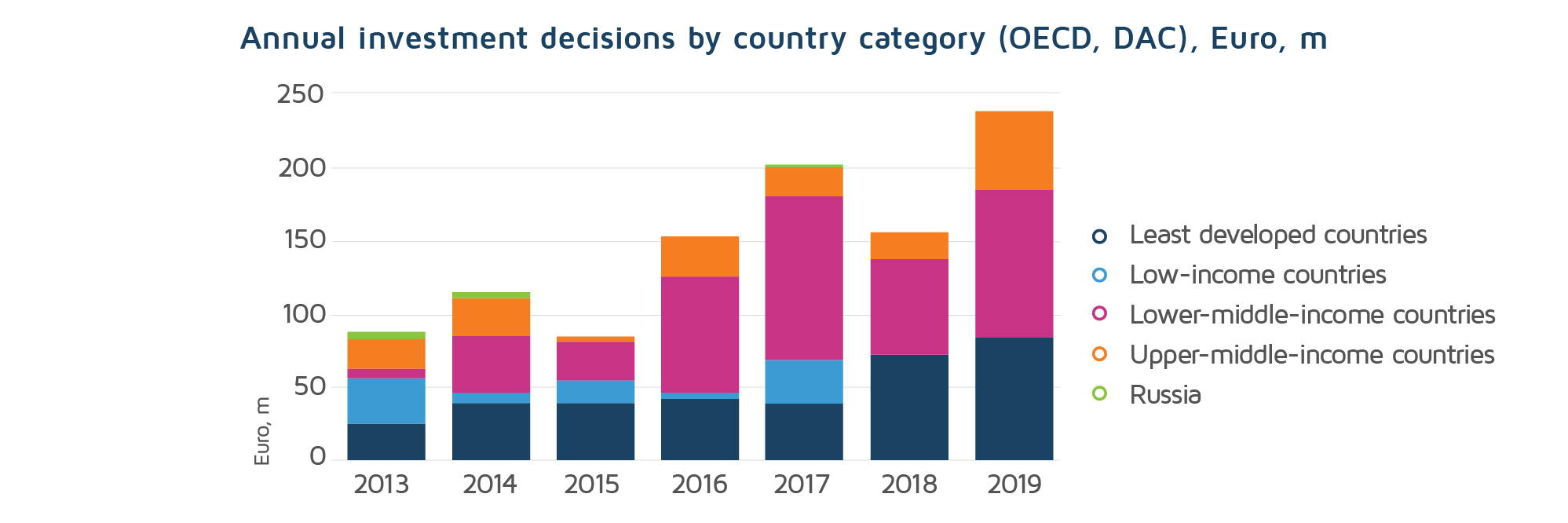
Finland’s DFI provides companies operating in developing countries with the long-term risk-financing and expertise required for sustainable investments. By the end of 2019, in its 39 years of activity, it had made 183 investments, a proportion of which were new investments in existing projects. In 2019 alone, the institution made a record 29 investments worth €237 million. This was also the best year in terms of net financial income which grew by 29% from the previous year’s €23.7 million, giving Finnfund more room to reduce the average risk level of its portfolio.
Source: https://www.finnfund.fi
The majority of Finnfund’s investments are made directly in companies operating in developing countries. However, a small proportion of its portfolio consists of funding through indirect investments and one of these, AfricInvest Fund IV, was one of Finnfund’s latest projects. In July, the UK’s CDC Group and Finnfund announced a joint US$70 million commitment to this pan-African fund aiming to foster the growth of African enterprises across the continent with the Finnish development financier committing US$ 20 million to the fund.
When targeting its investments, Finnfund focuses on the three lowest country categories, according to OECD/DAC classification. In 2019, 78% of new investment decisions targeted the least developed countries and countries of low or lower-middle income. The main financial instrument with which Finnfund works is loans, followed by equity and mezzanine funding.
Source: https://www.finnfund.fi
Finnfund places special emphasis on sectors that are critical to sustainable development such as clean energy, sustainable forestry, sustainable agriculture and financial services. In 2019, climate change mitigation and adaptation were the main pillar of the fund’s investments, accounting for 49% of the total amount. In 2019, the DFI made a special effort to spur investor interest in sustainable forestry businesses in Africa, Asia and Latin America by holding two events that brought together forestry companies, investors and experts to discuss the way forward. One of the events discussed the sustainable development of African forests and the involvement of Finland and the EU in sustainable forestry.
However, while continuing to focus on its main areas of interest, in 2019 the financier entered a new sector, making its first direct investment in the education sector with a loan to Maarifa Education which operates affordable, quality higher education institutions in Sub-Saharan Africa.
Finnfund’s CEO, Jaakko Kangasniemi, stated that he expects continued strong interest for investments in Africa.
“The European Union has come out with a new Africa strategy and is working on an external investment plan to boost it. Other players from China to Russia and the United Arab Emirates have been holding their own investment summits with African nations.”
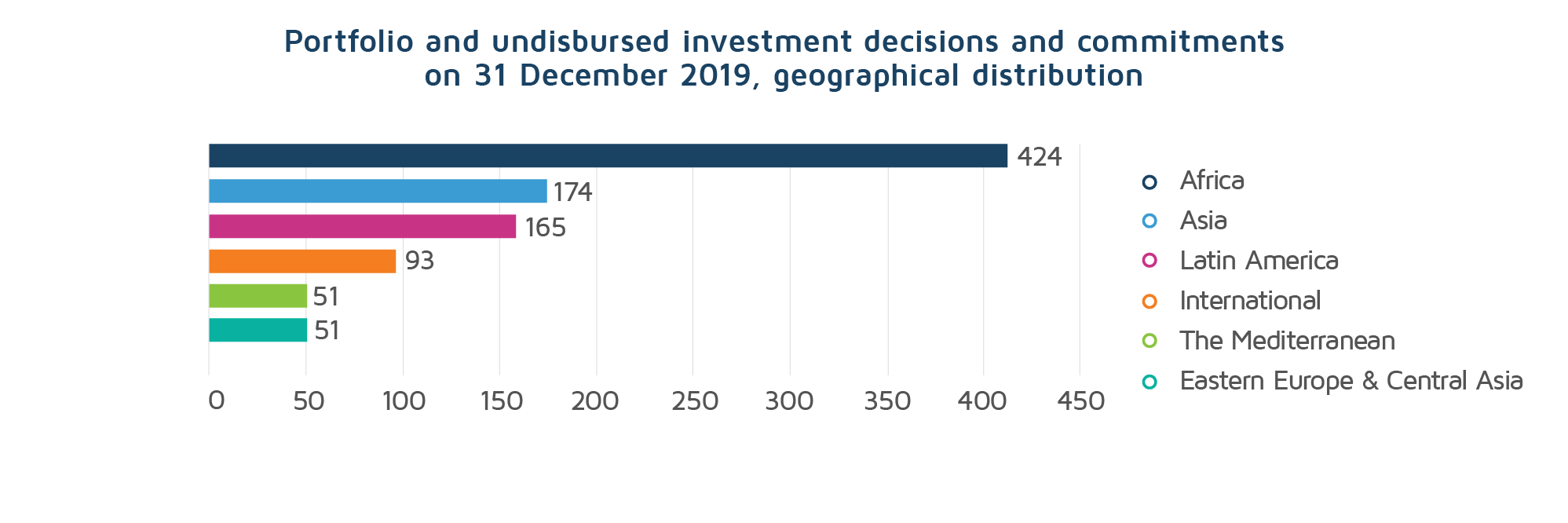
Finnfund is not the only development institution which has announced plans to increase investments in Africa. Previously, Germany’s DEG also announced plans to boost private investments on the continent. Currently, almost half of Finnfund’s investment portfolio consists of business projects in Africa, with 11 investments out of 29 in 2019 being directed there. However, the biggest threats to potential investments in the region are presented by climate change. “Cyclones in Mozambique, drought in Zimbabwe, prolonged rains in East Africa and locust invasions in Somalia, Kenya and elsewhere are worrying signs of things to come.”
Also, in 2019, Finnfund passed the European Commission pillar assessment which makes the institution eligible to manage EU guarantees. It is currently working with the Commission and other European DFIs to manage EU funds and budgets that are deployed in developing countries around the globe.
This article is part of DevelopmentAid’s series, DFI Files. You can read our previous analysis of European DFI activity, Denmark’s IFU and its climate related portfolio and Germany’s DEG.