
Global partnership to make available 120 million affordable, quality COVID-19 rapid tests for low- and middle-income countries
Add us as your preferred source on Google to see more of our content in Search.
 Add to Preferred Sources
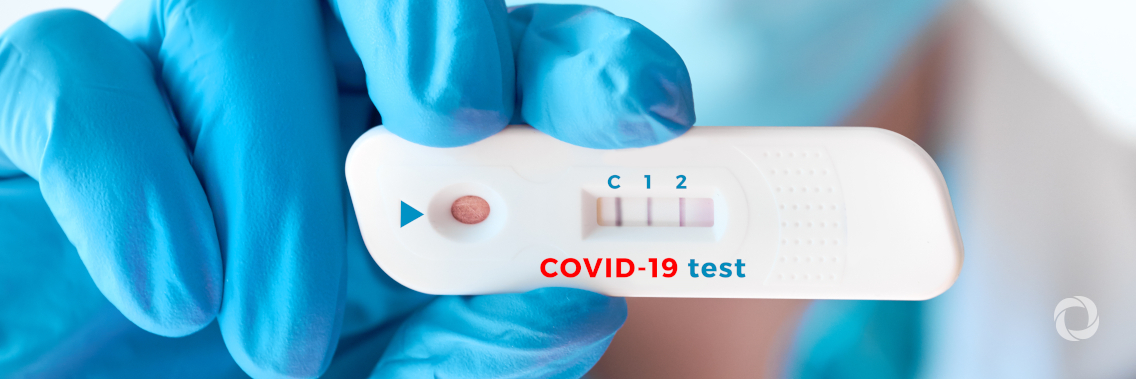
A set of agreements to make available, for low and middle-income countries, affordable, high-quality COVID-19 antigen rapid tests were announced by the Access to COVID-19 Tools (ACT) Accelerator.
Organizations involved in the milestone agreement include the Africa Centres for Disease Control and Prevention (Africa CDC), the Bill & Melinda Gates Foundation, the Clinton Health Access Initiative (CHAI), the Foundation for Innovative New Diagnostics (FIND), the Global Fund, Unitaid, and the World Health Organization (WHO).
As part of this comprehensive, end-to-end effort, the Bill & Melinda Gates Foundation has executed separate volume guarantee agreements with rapid diagnostic test (RDT) producers Abbott and SD Biosensor. These two arrangements will make available to LMICs 120 million antigen rapid diagnostic tests (Ag RDTs) – priced at a maximum of US$5 per unit – over a period of six months. These tests provide results in 15–30 minutes, rather than hours or days, and will enable expansion of testing, particularly in countries that do not have extensive laboratory facilities or trained health workers to implement molecular (polymerase-chain reaction or PCR) tests.
To scale up the Ag RDTs, the Global Fund announced that it has made available an initial US$50 million from its COVID-19 Response Mechanism to enable countries to purchase at least 10 million of the new rapid tests for LMICs at the guaranteed price, with the first orders expected to be placed this week through the Global Fund’s pooled procurement mechanism.
FIND and WHO are working together to accelerate appropriate use by supporting implementation research that will optimize Ag RDT use in multiple LMICs, in line with WHO guidance. This includes the provision of catalytic volumes of tests to understand how Ag RDTs can best fit into health systems.
“High-quality rapid tests show us where the virus is hiding, which is key to quickly tracing and isolating contacts and breaking the chains of transmission. The tests are a critical tool for governments as they look to reopen economies and ultimately save both lives and livelihoods,” said Dr. Tedros Adhanom Ghebreyesus, Director-General of WHO.
Unitaid and Africa CDC will combine resources to initiate the roll-out of these tests in up to 20 countries in Africa starting in October 2020. This multi-million-dollar intervention, currently undergoing final sign-off by their Boards, is designed to engage multiple partners active in the COVID-19 response in these countries, such as CHAI, African Society for Laboratory Medicine (ASLM), and local organizations. This will bolster efforts by the African Union’s Partnership to Accelerate COVID-19 Testing (PACT) initiative, launched in August 2020 to mobilize experts, community workers, supplies, and other resources to minimize the impact of the pandemic on the African continent by testing, tracing, and treating COVID-19 cases in a timely manner.
Testing is a critical cornerstone of the COVID-19 response, enabling countries to trace and contain the virus now, and to prepare for the roll-out of vaccines once available. Effective testing strategies rely on a portfolio of test types that can be used in different settings and situations. Rapid tests to detect the presence of the virus at the point of care, which are faster and cheaper, are a vital addition to the testing arsenal needed to contain and fight COVID-19.
The ACT-Accelerator Diagnostics Pillar is co-convened by FIND and the Global Fund, working closely with WHO and over 30 global health expert partners to accelerate innovation and overcome the technical, financial, and political obstacles to achieving equitable access to effective and timely testing.
These agreements are critical to fulfil the key objective of the ACT-Accelerator: to ensure all countries, regardless of income, have fair access to new tests and tools to fight COVID-19.
Original source: WHO