

Adaptation Fund

Nature-based Adaptation for Resilience Building and Empowerment of Vulnerable Communities in Narok and Nakuru Counties – NAREC

Last update: Feb 19, 2026 Last update: Feb 19, 2026

Details

Project End Date:2030-10-00
Location:Kenya
Kenya
Category:Unspecified/other
Status:Formulation
Sectors:Environment & Climate, Urban Development & Housing, Water, Sanitation & Hygiene, Agriculture & Rural Development
Languages:English
Funding Agency:
Contracting authority type:Nonprofit institute / think tank
Eligibility:Unknown
Budget: USD 10,000,000
Date posted: Nov 20, 2025

Attachments 2

Associated Awards

Project cycle timeline

STAGES
EARLY INTELLIGENCE
PROCUREMENT
IMPLEMENTATION
Cancelled
Status
Programming
Formulation
Approval
Forecast
Open
Closed
Shortlisted
Awarded
Evaluation

Description

Nature-based Adaptation for Resilience Building and Empowerment of Vulnerable Communities in Narok and Nakuru Counties – NAREC At A GlanceCountry/Region:Kenya/AfricaSector:Multi-sectorGrant Amount:USD 9,998,839Implementing Entity:National Environment Trus
Want to unlock full information?
Member-only information. Become a member to access this information. Procurement notices from over 850+ sources of tenders and grants published by donors, development banks, foundations, and international financial institutions (IFIs) are available here.
Similar tenders
By Locations
Funding agency:
EIB
Status:
formulation
Location:
Angola, Benin, Botswana, Burkina Faso, Burundi, Cameroon, Cape Verde, Central African Republic, Chad, Comoros, Congo, Cote d'Ivoire, Dem. Rep. Congo, Equatorial Guinea, Eritrea, Eswatini (Swaziland), Ethiopia, French Southern Territory, Gabon, Gambia, Ghana, Guinea, Guinea-Bissau, Kenya, Lesotho, Liberia, Madagascar, Malawi, Mali, Mauritania, Mauritius, Mozambique, Namibia, Niger, Nigeria, Rwanda, Sao Tome and Principe, Senegal, Seychelles, Sierra Leone, Somalia, South Africa, South Sudan, Sudan, Tanzania, Togo, Uganda, Zambia, Zimbabwe
Funding agency:
EIB
Status:
formulation
Location:
Angola, Antigua and Barbuda, Bahamas, Barbados, Belize, Benin, Botswana, Burkina Faso, Burundi, Cameroon, Cape Verde, Central African Republic, Chad, Comoros, Congo, Cook Islands, Cote d'Ivoire, Cuba, Dem. Rep. Congo, Djibouti, Dominica, Commonwealth of, Dominican Republic, Equatorial Guinea, Eritrea, Eswatini (Swaziland), Ethiopia, Fiji, Gabon, Gambia, Ghana, Grenada, Guinea, Guinea-Bissau, Guyana, Haiti, Jamaica, Kenya, Kiribati, Lesotho, Liberia, Madagascar, Malawi, Mali, Marshall Islands, Mauritania, Mauritius, Micronesia, Mozambique, Namibia, Nauru, Niger, Nigeria, Niue, Palau, Papua New Guinea, Rwanda, Saint Kitts and Nevis, Saint Lucia, Saint Vincent and the Grenadines, Seychelles, Sierra Leone, Solomon Islands, Somalia, South Africa, Sudan, Suriname, Tanzania, Timor-Leste, Togo, Tonga, Trinidad and Tobago, Uganda, Zambia, Zimbabwe
tender Background

About the Funding Agency

The Adaptation Fund was established under the Kyoto Protocol of the UN Framework Convention on Climate Change, and since 2010 has committed US$ 720 million to climate adaptation and resilience activities, including supporting 100 concrete adaptation projects.

Climate change is predicted to greatly affect the poorest people in the world, who are often hardest hit by weather catastrophes, desertification, and rising sea levels, but who have contributed the least to the problem of global warming. In some parts of the world, climate change has already contributed to worsening food security, reduced the predictable availability of fresh water, and exacerbated the spread of disease and other threats to human health.

Helping the most vulnerable countries and communities is an increasing challenge and imperative for the international community, especially because climate adaptation requires significant resources beyond what is already needed to achieve international development objectives. The Fund is financed in part by government and private donors, and also from a two percent share of proceeds of Certified Emission Reductions (CERs) issued under the Protocol’s Clean Development Mechanism projects.

About the Sectors

Environment & Climate

Focuses on protecting natural ecosystems, promoting sustainable resource management, enhancing climate resilience, and mitigating the impacts of climate change through conservation, adaptation, and low-carbon initiatives.


Key areas:
  • Environmental protection and conservation
  • Natural resource and ecosystem management
  • Climate change and environmental resilience

Urban Development & Housing

Focuses on planning, developing, and managing urban areas and housing systems to create sustainable, inclusive, and livable cities.
Key areas:
  • Urban planning and city development
  • Urban infrastructure and civil works
  • Housing management and housing conditions
  • Social, affordable, and residential housing

Locations

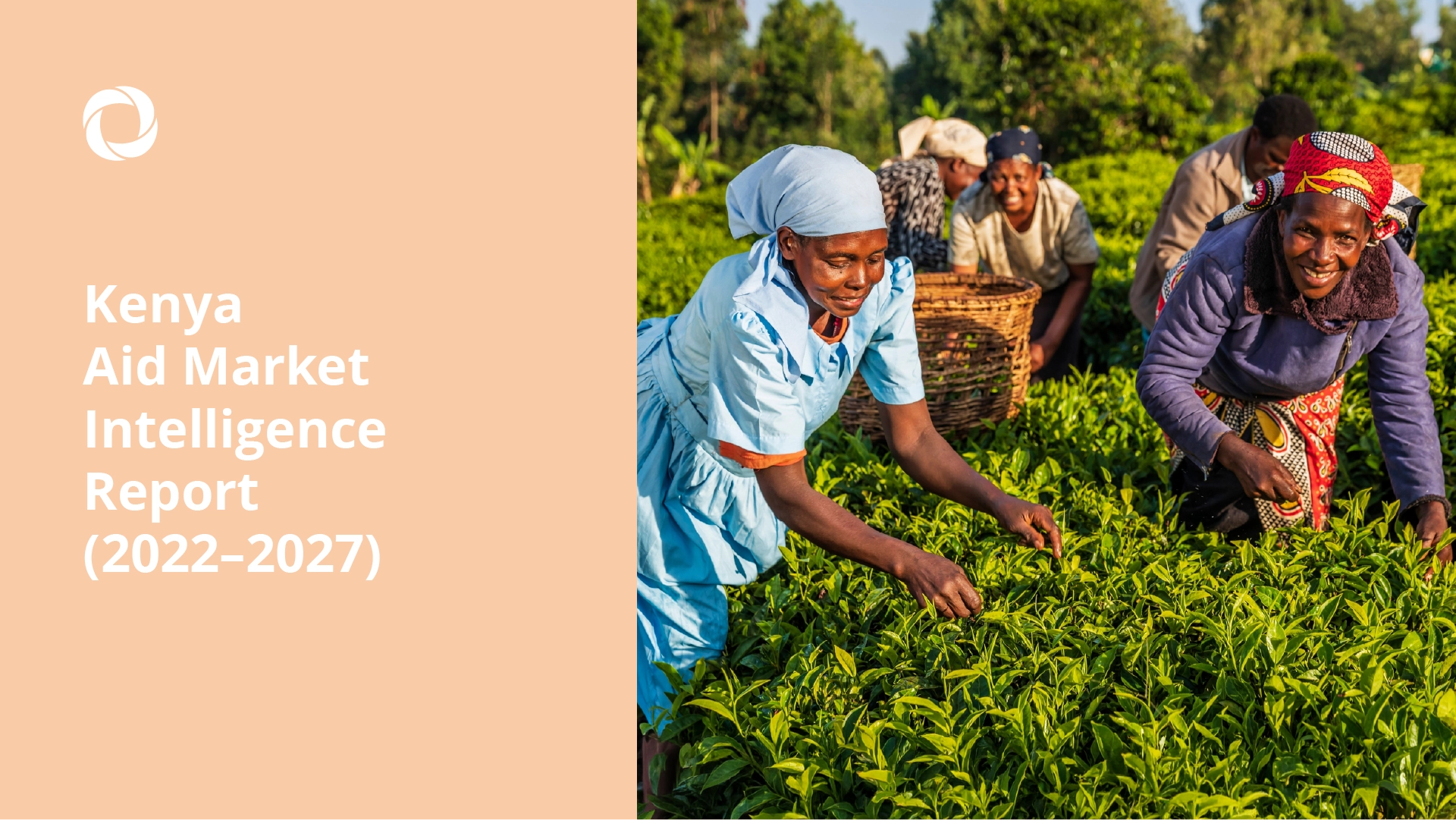
Kenya

Kenya has positioned infrastructure investment as a pillar of its development strategy, deploying public funds and innovative financing to expand roads, ports, rail networks and energy systems that enable trade and productivity. Under a World Bank–supported PPP framework, Kenya has strengthened legal and institutional capacity to mobilise private capital for infrastructure across sectors including transport, water and housing, widening access to services and supporting economic transformation.

Nr. of tenders: 24545
Nr. of grants: 4310
Nr. of donors: 853
Nr. of jobs: 148
Frequently Asked Questions
Haven't found what you're looking for? Get in touch with us using our contact page.
Where can I find international tenders?
DevelopmentAid aggregates international tenders from major donors, development banks, UN agencies and governments in one searchable platform.
Who can apply for tenders listed on DevelopmentAid?
Tenders are typically open to consulting firms, NGOs, companies, and sometimes individual consultants, depending on the eligibility criteria set by the donor.
How do I apply for a tender?
DevelopmentAid does not submit tenders on your behalf. Each tender listing includes official documents and instructions explaining where and how to apply directly to the contracting authority.
What documents are usually required for a tender application?
Most tenders require a technical proposal, financial offer, company profile, references, and legal documents. Exact requirements are listed in each tender notice.