
European Endowment for Democracy

European Endowment for Democracy (EED) - applications on a rolling basis

Last update: Apr 10, 2026 Last update: Apr 10, 2026

Details

Application deadline: Ongoing
Location:Albania, Algeria, Armenia, Azerb ...
Albania, Algeria, Armenia, Azerbaijan, Bahrain, Belarus, Bosnia and Herzegovina, Chad, Egypt, Georgia, Iran, Iraq, Israel, Jordan, Kazakhstan, Kosovo, Kuwait, Kyrgyzstan, Lebanon, Libya, Mali, Mauritania, Moldova, Montenegro, Morocco, Niger, North Macedonia, Oman, Palestine / West Bank & Gaza, Qatar, Russia, Saudi Arabia, Serbia, Sudan, Syria, Tajikistan, Tunisia, Türkiye, Turkmenistan, UAE, Ukraine, Uzbekistan, Yemen
Funding agency:
Grantmaking entity type:Grant-making Foundation / Charity
Status:Open
Budget:N/A
Award ceiling: EUR 60,000
Award floor: EUR 10,000
Sector:Community Development & NGOs, Youth & Child Welfare, Public Sector Governance, Marketing & Media
Languages:English
Eligible applicants:NGOs / Nonprofit Organisations, Individuals
Eligible citizenships:Albania, Algeria, Armenia, Azerb ...
Albania, Algeria, Armenia, Azerbaijan, Bahrain, Belarus, Bosnia and Herzegovina, Chad, Egypt, Georgia, Iran, Iraq, Israel, Jordan, Kazakhstan, Kosovo, Kuwait, Kyrgyzstan, Lebanon, Libya, Mali, Mauritania, Moldova, Montenegro, Morocco, Niger, North Macedonia, Oman, Palestine / West Bank & Gaza, Qatar, Russia, Saudi Arabia, Serbia, Sudan, Syria, Tajikistan, Tunisia, Türkiye, Turkmenistan, UAE, Ukraine, Uzbekistan, Yemen
Date posted: Apr 9, 2026

Attachments

Associated Awards

There are no awards associated with this grant.

Quick summary

AI generated
Objectives: The European Endowment for Democracy (EED) aims to support actors of democratic change in the Euro...
Eligibility criteria: Eligibility for EED support includes civil society organizations, movements, independent media, and individual activists primarily based in the European Neighbourhood regions, including Eastern Partnership, Middle East an...

Description

EED accepts applications on a rolling basis. For more information on how to apply please see the frequently asked questions below.


What is EED?
The European Endowment for Democracy (EED) is an independent grant-giving organisation that supports actors of democratic change in the European Neighbourhood and beyond.

EED’s flexibility, rapid response and ability to take risks enables it to adapt to the changing needs and challenges of local contexts. EED can respond quickly as circumstances on the ground evolve, and it can operate in difficult environments often off-limits to other donors.

At the core of EED’s work is the idea that democracy cannot be imposed from the outside. Only change originating from within can lead to a sustainable and inclusive democratic transition. EED’s support is based on a principle of fostering – not imposing – democracy and facilitating local actors’ initiatives.

Where does EED work?
EED works predominantly in the European Neighbourhood (Eastern Partnership, Middle East and North Africa), the Western Balkans and Turkey.

The following countries are eligible for support:

Albania, Algeria, Armenia, Azerbaijan, Bahrain, Belarus, Bosnia and Herzegovina, Chad, Egypt, Georgia, Iran, Iraq, Israel, Jordan, Kazakhstan, Kosovo*, Kuwait, Kyrgyzstan, Libya, Lebanon, Mali, Mauritania, Moldova, Montenegro, Morocco, Niger, North Macedonia, Oman, Palestine, Qatar, Russia, Saudi Arabia, Serbia, Sudan, Syria, Tajikistan, Tunisia, Turkey, Turkmenistan, Ukraine, United Arab Emirates, Uzbekistan, Yemen

In exceptional cases, EED can also fund initiatives located outside the countries of EED’s mandate, as long as their proposed activities have a strong involvement of actors from within these core countries and target their populations.

In addition, some grants may be provided for applications from countries in the area adjacent to the neighbourhood, depending on applicants’ needs, available funds and priorities.

How does EED work?
EED primarily seeks to support groups and activists that cannot be supported by existing EU instruments or other programmes. EED’s support is complementary to other EU and member state donor programmes. It often acts as a gap-filler. EED aims to provide fast and flexible support.

EED accepts requests for support at any time. There are no specific time-limited calls for applications.
EED can support individuals and non-registered groups.
EED can support operational costs (salaries, office and related costs, communications costs).
EED is specialised in providing support in a discreet manner.

Is EED an institution of the European Union?
EED was established in 2013 by the European Union and EU member states. It is
not a part of the European Union. EED is an independent grant-making organisation. The EED Executive Committee makes all funding decisions.

What does EED support?
EED supports civil society organisations, movements, independent media, and individual activists working towards a pluralistic democratic political system.

Official registration is not a requirement for EED support. EED supports established organisations as well as newly created or non-registered organisations, informal platforms, youth groups and individuals. A particular focus of EED’s work is supporting those that cannot be supported by other donors and existing EU instruments.

EED is demand-driven and responds to the needs and demands of local democracy actors. EED’s direct beneficiaries include pro-democracy movements and actors, civic groups and civil society organisations, non-governmental organisations, independent media, journalists and bloggers, artists, and youth groups.

Examples of activities supported by EED can be found here.

How does EED select its grantees?
Funding decisions are made by the EED Executive Committee at its regular meetings following an assessment made by the EED Secretariat in line with the organisational mandate.

EED observes, as far as possible, the geographical balance in the allocation of funds between the regions in which it operates.

How can I apply for support?
Click on ‘Application Form’ on this page to be directed to the secure application portal where you can find the application form and application guidelines.

You can complete the application form in the following languages: Arabic, English, French, Russian, Turkish, Ukrainian, and languages of the Western Balkans.

Please note that a budget template is required with each application. The empty templates in the relevant language can be downloaded from the pages of the application forms.

You can also apply by mailing the application form and the budget template to secretariat@democracyendowment.eu. EED also accepts applications in hard copy to the following address:

European Endowment for Democracy
Rue de la Loi 34
1040 Brussels
Belgium.

When does EED publish calls for applications?
EED reviews requests for support on a rolling basis, so applicants can submit their proposals at any time. EED does not publish specific calls for applications.

The EED Executive Committee makes the final funding decisions on all grants and meets every two months. In emergency situations, the EED Executive Committee can also take decisions on funding between its official meeting dates.

Does my request for support have to be in English?
No. EED accepts requests for support in several languages: Arabic, English, French, Russian, Turkish, Ukrainian, and languages of the Western Balkans

What is the average amount of an EED grant?
EED does not have a formal funding range. Most requests for support range from between €10,000 and €50,000, however EED also provides grants both below and above that range. The average level of support is between €40,000 and €60,000.

May I submit more than one request for support at the same time?
In principle, you can submit more than one request for support. However, keep in mind that priority will be given to the best idea.

Can I request repeat funding from EED?
EED critically assesses on a case-by-case basis all requests for repeat funding to ensure the continued added value of EED support. In specific circumstances, it is assessed that EED can add value by providing repeat funding.

How do I know my request for support has been received?
You will receive an automatic email message to confirm that we have received your request for support. This email will also mention your reference number. Please use this number if you inquire about the status of your request for support.

How do I enquire about the status of my request for support?
All applicants will receive an official response with the outcome of EED’s decision on the request for support.

You may enquire about the status of your request for support by sending an email to secretariat@democracyendowment.eu. Always mention your reference number in the email so that we can easily track your request for support.

EED aims to review all requests within 8-12 weeks, but sometimes the review process can take longer. The EED Secretariat might request additional information or clarifications during this process.

Can I receive feedback on a proposal that was not selected for funding?
Due to the large number of requests received, EED is not able to provide a detailed explanation for each declined application. However, you are welcome to request feedback on your individual application at secretariat@democracyendowment.eu.

Does EED have country offices or someone in the country I can speak with about my idea or proposal?
The EED Secretariat is located in Brussels (Belgium). EED does not have country offices, however, EED has a network of consultants based in many of the countries of its mandate. To communicate with EED, email secretariat@democracyendowment.eu.


Why do I need to indicate the contacts of three referees?
EED requests that you provide the contacts of three references who know you and your organisation’s work and experience. These can be individuals with knowledge of your work, or with whom you have cooperated in the past. Your referees can be based in any country. They should ideally be independent of your organisation/group and not a family member.

You should ensure that your referees are able to respond to EED’s questions if contacted by a member of staff from our programmes team. EED does not always contact all listed references and may also contact persons that have not been listed as reference persons.


Contacts

Officer
Position:
Phone:
Similar grants
By Locations
Funding agency:
Other
Status:
open
Location:
Northern America, Afghanistan, Aland Islands, Albania, Algeria, American Samoa, Andorra, Angola, Anguilla, Antigua and Barbuda, Argentina, Armenia, Aruba, Australia, Austria, Azerbaijan, Bahamas, Bahrain, Bangladesh, Barbados, Belarus, Belgium, Belize, Benin, Bhutan, Bolivia, Bosnia and Herzegovina, Botswana, Brazil, British Virgin Islands, Brunei, Bulgaria, Burkina Faso, Burundi, Cambodia, Cameroon, Cape Verde, Caribbean Netherlands, Cayman Islands, Central African Republic, Chad, Chile, China, Christmas Island, Cocos (Keeling) Islands, Colombia, Comoros, Congo, Cook Islands, Costa Rica, Cote d'Ivoire, Croatia, Cuba, Curaçao, Cyprus, Czech Republic, Dem. Rep. Congo, Denmark, Djibouti, Dominica, Commonwealth of, Dominican Republic, Ecuador, Egypt, El Salvador, Equatorial Guinea, Eritrea, Estonia, Eswatini (Swaziland), Ethiopia, Falkland Islands, Faroe Islands, Fiji, Finland, France, French Guiana, French Polynesia, French Southern Territory, Gabon, Gambia, Georgia, Germany, Ghana, Gibraltar, Greece, Grenada, Guadeloupe, Guam, Guatemala, Guinea, Guinea-Bissau, Guyana, Haiti, Heard and McDonald Islands, Honduras, Hong Kong, Hungary, Iceland, India, Indonesia, Iran, Iraq, Ireland, Isle of Man, Israel, Italy, Jamaica, Japan, Jordan, Kazakhstan, Kenya, Kiribati, Kosovo, Kuwait, Kyrgyzstan, Laos, Latvia, Lebanon, Lesotho, Liberia, Libya, Liechtenstein, Lithuania, Luxembourg, Macao, Madagascar, Malawi, Malaysia, Maldives, Mali, Malta, Marshall Islands, Martinique, Mauritania, Mauritius, Mayotte, Mexico, Micronesia, Moldova, Monaco, Mongolia, Montenegro, Montserrat, Morocco, Mozambique, Myanmar, Namibia, Nauru, Nepal, Netherlands, New Caledonia, New Zealand, Nicaragua, Niger, Nigeria, Niue, Norfolk Island, North Korea, North Macedonia, Northern Mariana Islands, Norway, Oman, Pakistan, Palau, Palestine / West Bank & Gaza, Panama, Papua New Guinea, Paraguay, Peru, Philippines, Pitcairn, Poland, Portugal, Puerto Rico, Qatar, Reunion, Romania, Russia, Rwanda, Saint Helena, Saint Kitts and Nevis, Saint Lucia, Saint Martin, Saint Vincent and the Grenadines, Samoa, San Marino, Sao Tome and Principe, Saudi Arabia, Senegal, Serbia, Seychelles, Sierra Leone, Singapore, Sint Maarten, Slovakia, Slovenia, Solomon Islands, Somalia, South Africa, South Korea, South Sudan, Spain, Sri Lanka, Sudan, Suriname, Svalbard, Sweden, Switzerland, Syria, Taiwan, Tajikistan, Tanzania, Thailand, Togo, Tokelau, Tonga, Trinidad and Tobago, Tunisia, Türkiye, Turkmenistan, Turks and Caicos, Tuvalu, UAE, Uganda, UK, Ukraine, Uruguay, US Virgin Islands, Uzbekistan, Vanuatu, Vatican City, Venezuela, Vietnam, Wallis and Futuna, Western Sahara, Yemen, Zambia, Zimbabwe
Funding agency:
NPO
Status:
open
Location:
Northern America, Afghanistan, Aland Islands, Albania, Algeria, American Samoa, Andorra, Angola, Anguilla, Antigua and Barbuda, Argentina, Armenia, Aruba, Australia, Austria, Azerbaijan, Bahamas, Bahrain, Bangladesh, Barbados, Belarus, Belgium, Belize, Benin, Bhutan, Bolivia, Bosnia and Herzegovina, Botswana, Brazil, British Virgin Islands, Brunei, Bulgaria, Burkina Faso, Burundi, Cambodia, Cameroon, Cape Verde, Caribbean Netherlands, Cayman Islands, Central African Republic, Chad, Chile, China, Christmas Island, Cocos (Keeling) Islands, Colombia, Comoros, Congo, Cook Islands, Costa Rica, Cote d'Ivoire, Croatia, Cuba, Curaçao, Cyprus, Czech Republic, Dem. Rep. Congo, Denmark, Djibouti, Dominica, Commonwealth of, Dominican Republic, Ecuador, Egypt, El Salvador, Equatorial Guinea, Eritrea, Estonia, Eswatini (Swaziland), Ethiopia, Falkland Islands, Faroe Islands, Fiji, Finland, France, French Guiana, French Polynesia, French Southern Territory, Gabon, Gambia, Georgia, Germany, Ghana, Gibraltar, Greece, Grenada, Guadeloupe, Guam, Guatemala, Guinea, Guinea-Bissau, Guyana, Haiti, Heard and McDonald Islands, Honduras, Hong Kong, Hungary, Iceland, India, Indonesia, Iran, Iraq, Ireland, Isle of Man, Israel, Italy, Jamaica, Japan, Jordan, Kazakhstan, Kenya, Kiribati, Kosovo, Kuwait, Kyrgyzstan, Laos, Latvia, Lebanon, Lesotho, Liberia, Libya, Liechtenstein, Lithuania, Luxembourg, Macao, Madagascar, Malawi, Malaysia, Maldives, Mali, Malta, Marshall Islands, Martinique, Mauritania, Mauritius, Mayotte, Mexico, Micronesia, Moldova, Monaco, Mongolia, Montenegro, Montserrat, Morocco, Mozambique, Myanmar, Namibia, Nauru, Nepal, Netherlands, New Caledonia, New Zealand, Nicaragua, Niger, Nigeria, Niue, Norfolk Island, North Korea, North Macedonia, Northern Mariana Islands, Norway, Oman, Pakistan, Palau, Palestine / West Bank & Gaza, Panama, Papua New Guinea, Paraguay, Peru, Philippines, Pitcairn, Poland, Portugal, Puerto Rico, Qatar, Reunion, Romania, Russia, Rwanda, Saint Helena, Saint Kitts and Nevis, Saint Lucia, Saint Martin, Saint Vincent and the Grenadines, Samoa, San Marino, Sao Tome and Principe, Saudi Arabia, Senegal, Serbia, Seychelles, Sierra Leone, Singapore, Sint Maarten, Slovakia, Slovenia, Solomon Islands, Somalia, South Africa, South Korea, South Sudan, Spain, Sri Lanka, Sudan, Suriname, Svalbard, Sweden, Switzerland, Syria, Taiwan, Tajikistan, Tanzania, Thailand, Togo, Tokelau, Tonga, Trinidad and Tobago, Tunisia, Türkiye, Turkmenistan, Turks and Caicos, Tuvalu, UAE, Uganda, UK, Ukraine, Uruguay, US Virgin Islands, Uzbekistan, Vanuatu, Vatican City, Venezuela, Vietnam, Wallis and Futuna, Western Sahara, Yemen, Zambia, Zimbabwe
grant Background

About the Funding Agency

A nonprofit organization, also known as a non-business entity, not-for-profit organization, or nonprofit institution, is dedicated to furthering a particular social cause or advocating for a shared point of view. Nonprofits are tax exempt or charitable. They can operate in religious, scientific, research, or educational settings.

In order to see NGO opportunities on DevelopmentAid, please click here.

About the Sectors

Community Development & NGOs

Focuses on initiatives that support community empowerment, civic engagement, and the work of non-governmental and civil society organizations at local, national, and international levels.


Key areas:
  • Community development and social inclusion initiatives
  • Civil society and NGO programmes
  • Civic engagement and citizen participation

Youth & Child Welfare

Includes measures that support the well-being, protection, and development of young people and children.
Key areas:
  • Youth development policies and programmes
  • Child protection and welfare systems
  • Family support and social services
  • Education, inclusion, and well-being initiatives

Locations

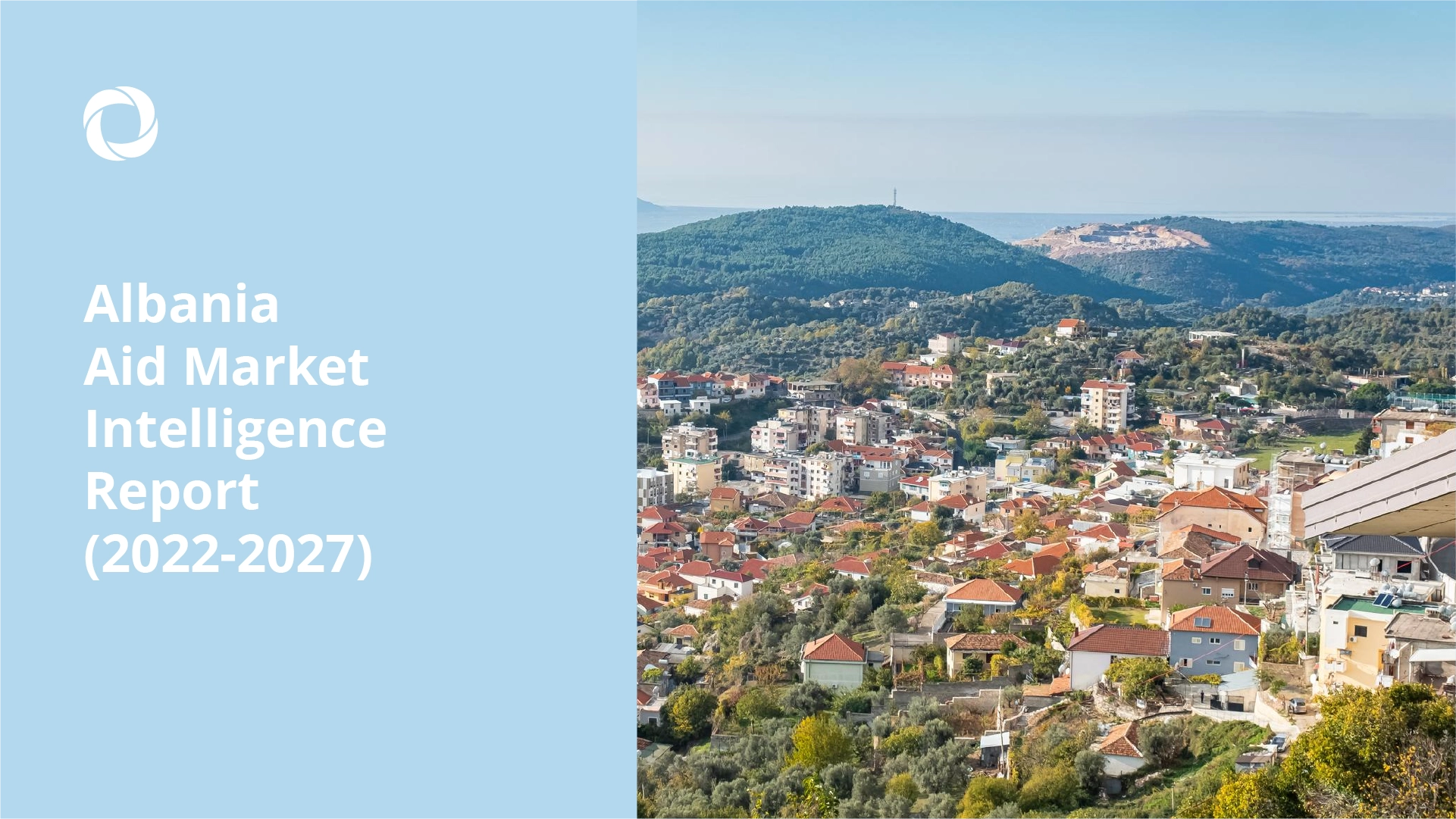
Albania

Albania focuses on road modernization, rail upgrades, port expansion, and energy infrastructure to improve regional integration and support economic growth. EU cohesion and pre-accession funds are a major source of infrastructure financing. Investments aim to strengthen trade links with neighboring countries and enhance tourism accessibility. Governance reforms, fiscal capacity, and project implementation efficiency remain critical challenges.

Nr. of tenders: 6845
Nr. of grants: 2742
Nr. of donors: 507
Nr. of jobs: 15

Algeria

Algeria has seen a notable uptick in public and private investment, particularly in infrastructure, energy and transport, as part of broader economic transformation efforts. Strategic projects, including major rail corridors, urban mobility, desalination capacity and energy diversification, are underway, supported by increased foreign direct investment and partnerships with development banks. To deepen development impacts, Algeria continues to pursue economic diversification beyond hydrocarbons, improve regulatory and investment frameworks and enhance governance of infrastructure delivery.

Nr. of tenders: 7195
Nr. of grants: 2917
Nr. of donors: 578
Nr. of jobs: 18
Frequently Asked Questions
Haven't found what you're looking for? Get in touch with us using our contact page.
Where can I find international grant opportunities?
DevelopmentAid collects grant opportunities from bilateral donors, multilateral agencies, foundations, and international organizations in one centralized platform.
Who can apply for grants listed on DevelopmentAid?
Grants are typically open to NGOs, civil society organizations, research institutions, public entities, and sometimes private organizations or consortia.
Does DevelopmentAid help with grant applications?
DevelopmentAid does not write or submit applications, but it provides access to full call details, guidelines, deadlines, and donor information needed to apply.