
Add us as your preferred source on Google to see more of our content in Search.
 Add to Preferred Sources
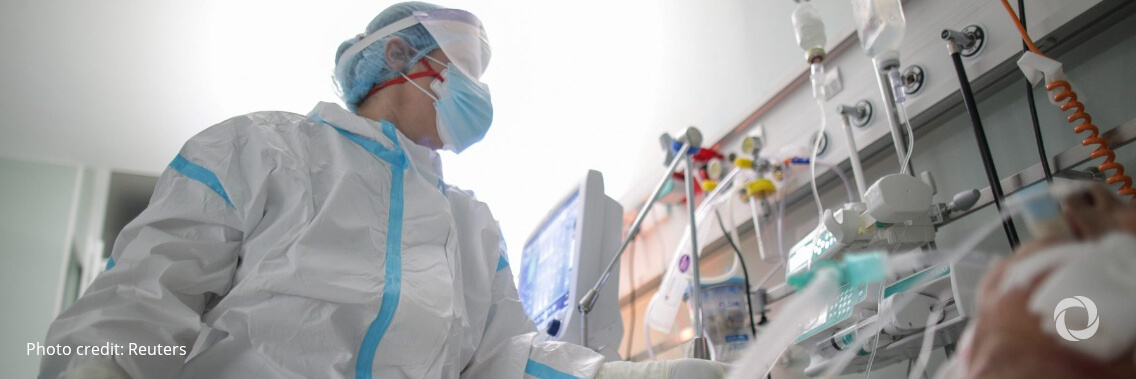
Unitaid announces US$ 56 million of investments to increase and enhance access to medical oxygen, a life-saving essential treatment for severe COVID-19 and other severe illnesses.
The four Unitaid-funded projects, designed to rapidly address global inequities in access to medical oxygen, will be implemented by ALIMA (The Alliance for International Medical Action), the Clinton Health Access Initiative (CHAI), Partners in Health (PIH), and the WHO Health Emergencies Programme. The projects will not only ensure medical oxygen is available for COVID-19 patients but will also lay the groundwork to improve access to oxygen for the long term. These investments will support reliable, equitable access to oxygen and will pay dividends now and going forward, as a critical foundation for future pandemics.
Oxygen is a high-return, lifesaving treatment for COVID-19 and a hallmark of functional health systems. Investments now will continue to save lives beyond the pandemic. It is an essential medicine for the treatment of many conditions affecting newborns, children, and adults – including pneumonia, the world’s biggest infectious killer. But, even before the health crisis, access to safe and affordable oxygen in low- and middle-income countries (LMICs) was low. The pandemic has exacerbated this situation, leading to many preventable deaths. Challenges for accessing oxygen in LMICs are multiple and can range from complex logistics with oxygen supply not always reaching the destination on time, to the need for good infrastructure and upkeep for most oxygen systems, or to a lack of market competition in countries resulting in high prices and fragmented access.
These investments directly support the work of the Access to COVID-19 Tools Accelerator (ACT-A) Oxygen Emergency Taskforce (Oxygen Taskforce) by ensuring countries have access to adequate, affordable oxygen solutions such as bulk liquid oxygen, oxygen generation systems, and other important oxygen equipment. They also complement the significant oxygen investments of the U.S. Agency for International Development (USAID), the Global Fund, and the World Bank’s COVID-19 emergency health response. They will expand on the unprecedented efforts of Oxygen Taskforce partners that have included technical support and emergency procurement for medical oxygen for nearly 100 countries, as well as successfully achieving ~15% price reductions for bulk liquid oxygen versus current pricing and between 10-50% reductions in filled cylinder pricing.
The Oxygen Taskforce, launched one year ago and led by Unitaid, is working to maximize the impact of these investments and to dramatically increase liquid oxygen supply, repair broken equipment and expand the number of functioning oxygen generation systems available in LMICs.
While some countries are seeing a downturn in COVID-19 cases and less disease severity, other countries continue to face oxygen surges and the need is still outstripping supply. Current reports from Hong Kong indicate that hospitals are running out of oxygen during the worst COVID-19 outbreak yet, and some Asia Pacific countries have to surge COVID-19 oxygen needs.
Unitaid’s investment represents an important commitment towards closing the funding gap of ~US$ 1 billion identified in the ACT-A Strategic Plan and Budget for 2022, and builds on the US$50 million USAID has committed in new funding for oxygen as pledged at President Biden’s Global COVID-19 Summit in September 2021. Unitaid is calling on donors, including governments, foundations, and private sector partners to join in the effort to help meet this significant need for medical oxygen globally and save lives.
“With limited COVID-19 vaccine coverage in low resource settings, many countries continue to face high rates of hospitalization and equitable access to medical oxygen remains critical,” Unitaid Executive Director, Dr Philippe Duneton, said. “This additional investment fills an immediate access gap for safe and affordable oxygen, but the job is not finished. More funding is vital to scale-up supply and prepare countries for future case surges. Just this month, 20 countries have surging COVID-19 oxygen needs. Beyond COVID-19, ~7 million children with hypoxic pneumonia will need oxygen. Oxygen is an essential medicine. Investing now will save lives.”