
Add us as your preferred source on Google to see more of our content in Search.
 Add to Preferred Sources
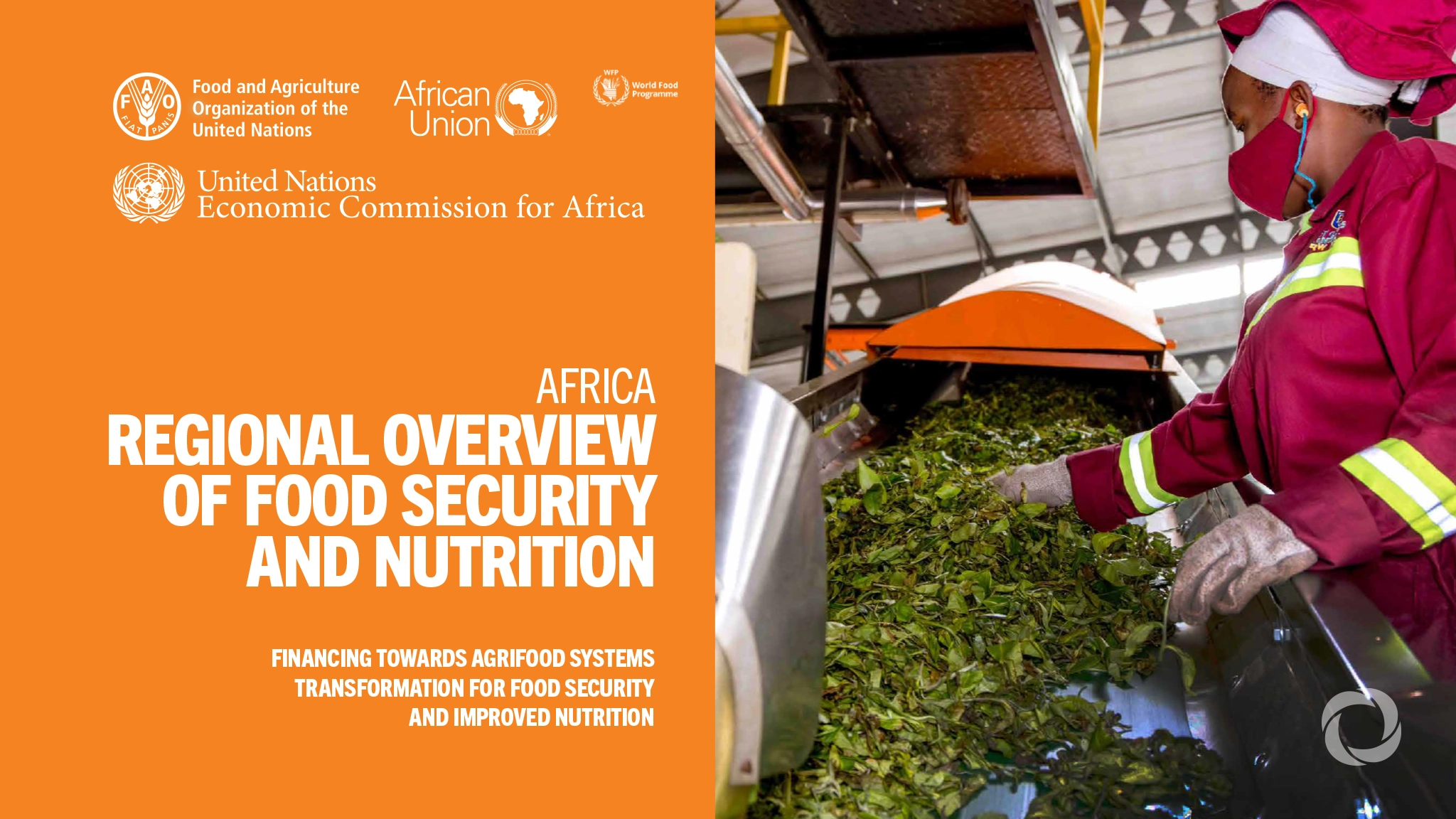
The Food and Agriculture Organization of the United Nations (FAO), the United Nations Economic Commission for Africa (ECA), the World Food Programme (WFP), and the African Union Commission (AUC) have released a joint report warning of a widening gap between current financing and the level needed to transform Africa’s agrifood systems, according to a press release. Issued on 30 April 2026 from Accra and Addis Ababa, the report confirms a continued rise in hunger and food insecurity across the continent. It calls for substantial, sustained financing to reverse these trends. The findings stress the urgency of both public and private action. The document positions agrifood transformation as central to ending hunger in Africa.
The latest Africa Regional Overview of Food Security and Nutrition notes a general upward trend in government expenditure on agriculture, forestry and fishing since 2018. However, this growth remains insufficient to meet hunger and transformation targets amid ongoing fiscal pressures. External flows such as official development assistance showed only modest increases, with less than 27 percent allocated to food security and nutrition. Bank credit to agriculture accounts for less than four percent of total credit. Foreign direct investment in food and agriculture remains highly concentrated, with annual flows often below USD 2 billion.
For the eighth consecutive year since 2017, hunger has increased in Africa. An estimated 306 million people are undernourished on the continent, representing more than 45 percent of the global total. Meanwhile, 892 million people face moderate or severe food insecurity, driven by conflict, climate shocks, economic downturns and widening social inequalities. The average cost of a healthy diet reached USD 4.41 purchasing power parity (PPP) dollars per person per day, a 5.5 percent rise from 2023. A staggering 67 percent of Africa’s population could not afford a healthy diet in 2024, compared to about 32 percent globally.
The report outlines a roadmap that includes enhancing access to affordable credit, building the capacity of small and medium-sized enterprises, and leveraging climate finance and blended finance solutions. Between 2020 and 2023, Africa recorded 99 blended finance deals in the agrifood system, totaling USD 3 billion, though many targeted large companies. In 2021/2022, Africa received USD 44 billion in climate finance, a 48 percent increase from two years earlier, yet still far below the USD 250 billion annual target.
“Financing for agrifood system transformation in Africa should provide the financial resources that contribute to the eradication of hunger, food insecurity, and malnutrition in all its forms,” stated the heads of the four co-publishing institutions. They added that “the findings call for urgent actions and increased financing for a sustainable transformation of agrifood systems in Africa.”
The report emphasizes that reversing food insecurity trends will require a dramatic scale-up in financing from public, private, domestic and international sources. It advocates coordinated investments and policies that foster inclusivity, particularly for women, youth and smallholder farmers. Continental frameworks such as the Comprehensive Africa Agriculture Development Programme (CAADP) and the African Continental Free Trade Area (AfCFTA) are highlighted as enablers for financial flows. Africa remains off track to meet SDG 2 and CAADP targets, underscoring the urgency of coordinated action.