
Add us as your preferred source on Google to see more of our content in Search.
 Add to Preferred Sources
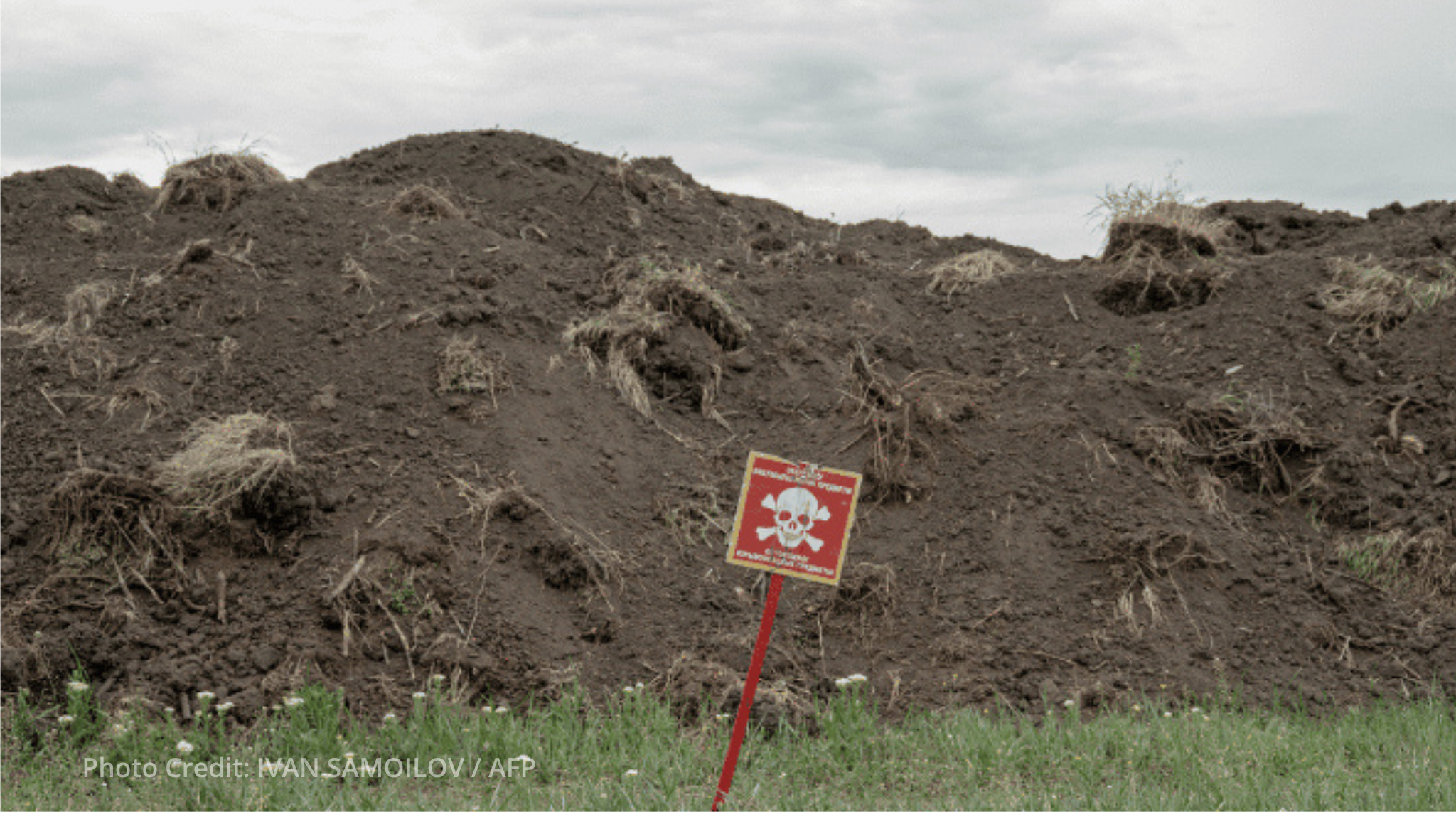
A new United Nations Human Rights report published on 16 June 2026 warns about the persistent use of anti-personnel land mines and their dire impacts on civilians, according to a press release by the Office of the High Commissioner for Human Rights (OHCHR). The report urges States to uphold international law limiting the use of these weapons and to protect the rights of survivors and affected communities through sustained support. It states that at least 58 States and territories were contaminated with anti-personnel mines in 2025. Latest estimates suggest States continue to hold millions of anti-personnel mines in their stockpiles. The findings will be presented to the UN Human Rights Council on 26 June 2026.
The Anti-Personnel Mine-Ban Convention, also known as the Ottawa Convention, has 162 States parties. However, several States, including permanent members of the Security Council and others whose armed forces have used or maintain considerable stockpiles, are not yet parties. Five States – Estonia, Finland, Latvia, Lithuania and Poland – have recently withdrawn from the treaty. Ukraine, a State party, has indicated suspension of its implementation of the Convention. The treaty was adopted almost 30 years ago.
According to the most recent available numbers cited in the report, at least 1,945 people were killed and 4,325 injured by landmines and explosive remnants of war in 2024. The States with the highest rates of casualties were Myanmar, Syria, Afghanistan, Ukraine, Nigeria, Mali, Yemen and Burkina Faso. Civilians make up approximately 90 per cent of all recorded casualties of anti-personnel mines where the status of the person is known. Children have made up over 40 per cent of all civilian casualties recorded since 1999. Injuries include amputations, eye injuries and sometimes hearing loss, leaving survivors with life-long difficulties.
“It is deeply troubling that almost 30 years since the Anti-Personnel Mine Ban Treaty was adopted, these explosive weapons continue to kill and injure people – often decades after they were placed,” said UN High Commissioner for Human Rights Volker Türk.
He added that when breadwinners are injured, this often leaves women shouldering the burden of caregiving on their own. Türk hailed Lebanon’s recent decision to join the Mine-Ban Convention, even when faced with grave security threats. He also called on States to provide reparations for violations resulting from the use of anti-personnel mines, in accordance with international law. Mine contamination, the report notes, hampers access to essential services, drives displacement, and prevents land from being safely used for agriculture or livelihoods.
The report calls on States to support international cooperation efforts, including through sustained and predictable funding. In the seven years up to 2025, contributions to the United Nations Voluntary Trust Fund for Assistance in Mine Action sharply decreased from USD 125 million to USD 46 million. Mines planted in and around schools have endangered children and hindered their education, while explosive remnants of war have delayed post-conflict reconstruction for decades. Türk urged States that have not yet ratified the treaty to promptly do so and those that have withdrawn to quickly rejoin. He emphasized that the full participation of affected communities in decision-making remains key.