
Add us as your preferred source on Google to see more of our content in Search.
 Add to Preferred Sources
The number of displaced people exceeded 70 million, new initiatives to combat antimicrobial resistance were launched and UN Climate Chief urged for more ambitious action at the UN Climate Change Conference in Bonn. Here is what you missed from last week’s headlines in the international development sector:
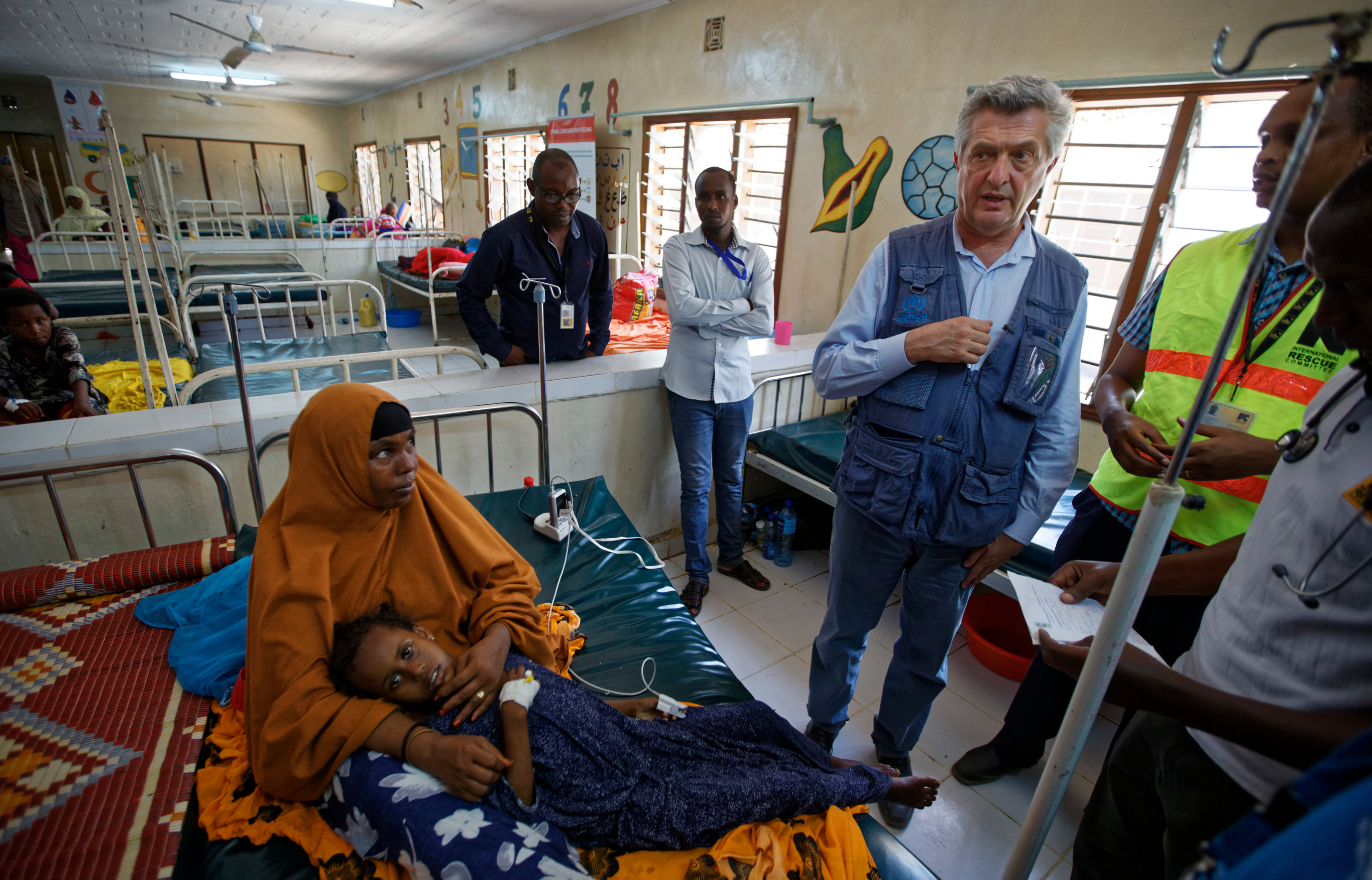
World Refugee Day: Worldwide displacement tops 70 million
The number of people fleeing war, persecution and conflict exceeded 70 million in 2018, the highest level that UNHCR, the UN Refugee Agency, has seen in its almost 70 years, says UNHCR’s annual Global Trends report. Within the 70.8 million figure in the Global Trends report are three main groups: refugees, asylum seekers and Internally Displaced People, or IDPs.
In a video address to mark World Refugee Day, UN High Commissioner for Refugees Filippo Grandi praised the courage and determination of the refugees he had met during his career and pledged to do all he could to help millions of forcibly displaced people.
“On this World Refugee Day, and also every day, my colleagues and I pledge to do all we can to help you – not just to get by, but also to thrive,” Grandi said.
On the occasion of World Refugee Day, the European Commission and the High Representative also issued a joint statement. The statement read that Europe was and would remain a safe haven for those in need of international protection and that long as refugees lose their lives trying to reach a safe place, EU work must continue. It also mentioned that, since 2015, EU Member States granted protection to more than 1.9 million people.
“We will continue protecting the human rights of refugees inside and outside Europe and work with partner countries and international organisations to establish more safe and legal pathways for those in need of protection.”
On the margins of this day, the UN Refugee Agency has also thanked mayors in scores of cities across some 50 countries for adding their support to a global statement of welcome and inclusiveness for families forced to flee. The statement is part of UNHCR’s year-old Cities #WithRefugees initiative and has now been signed by some 175 cities.
New initiatives to combat antimicrobial resistance launched
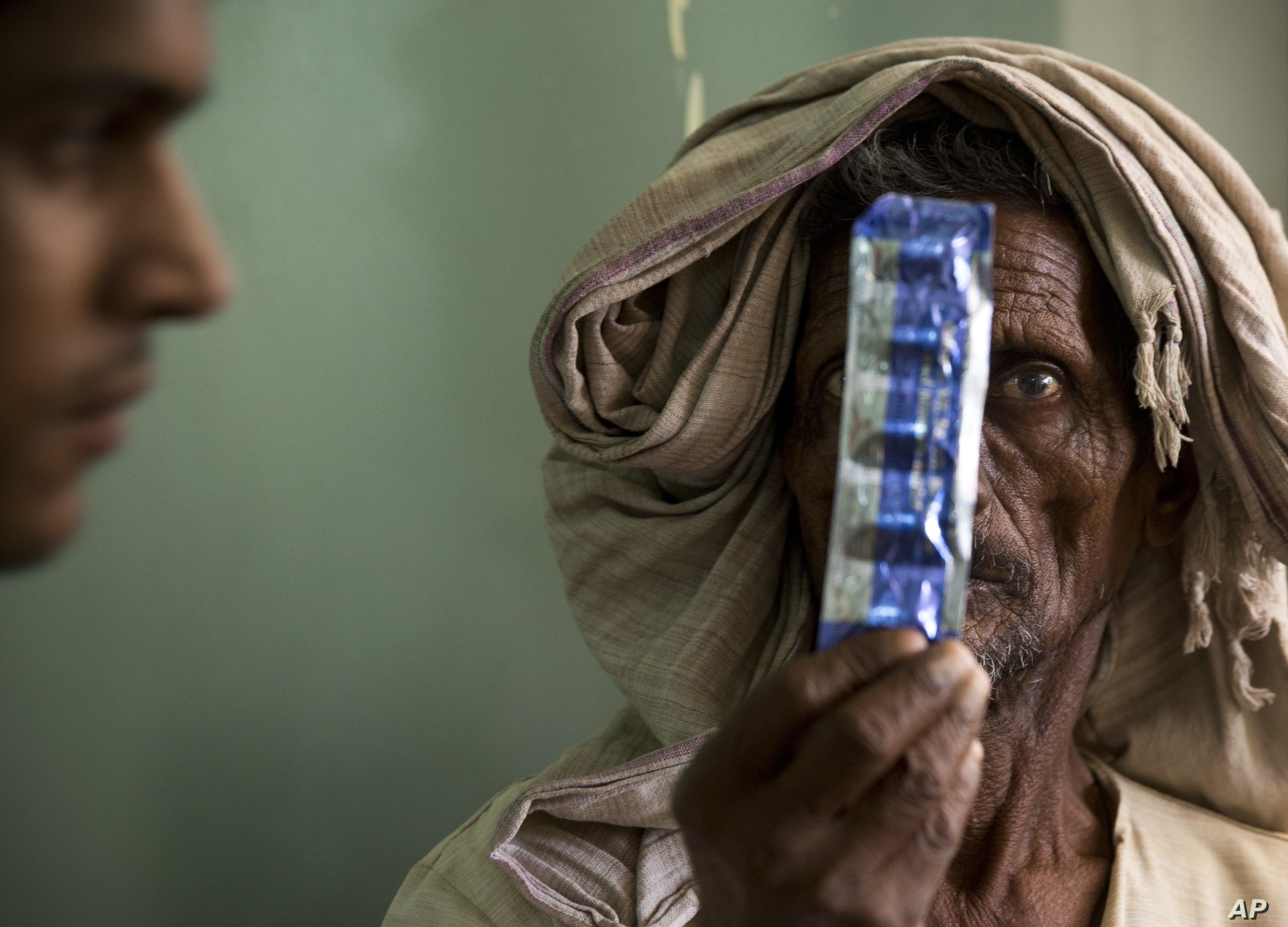
The World Health Organization launched a global campaign urging governments to adopt a tool to reduce the spread of antimicrobial resistance, adverse events and costs.
The AWaRe tool was developed to contain rising resistance and make antibiotic use safer and more effective. It classifies antibiotics into three groups – Access, Watch and Reserve – and specifies which antibiotics to use for the most common and serious infections, which ones should be available at all times in the healthcare system, and those that must be used sparingly or preserved and used only as a last resort.
“Antimicrobial resistance is one of the most urgent health risks of our time and threatens to undo a century of medical progress,” said Dr. Tedros Adhanom Ghebreyesus, WHO Director-General. “All countries must strike a balance between ensuring access to life-saving antibiotics and slowing drug resistance by reserving the use of some antibiotics for the hardest-to-treat infections. I urge countries to adopt AWaRe, which is a valuable and practical tool for doing just that.”
In addition to AWaRe, a dedicated funding vehicle allowing partners to devote resources to accelerate global action against antimicrobial resistance was unveiled. The Tripartite – a joint effort by the Food and Agriculture Organization (FAO), the World Organisation for Animal Health (OIE) and the World Health Organization, launched the AMR Multi-Partner Trust Fund. The fund has a five-year scope and aims to scale up efforts to support countries to counter the immediate threat of AMR, particularly through providing technical support to countries designing National Action Plans on AMR and to scale up local action.
UN Climate Chief urges action on climate emergency
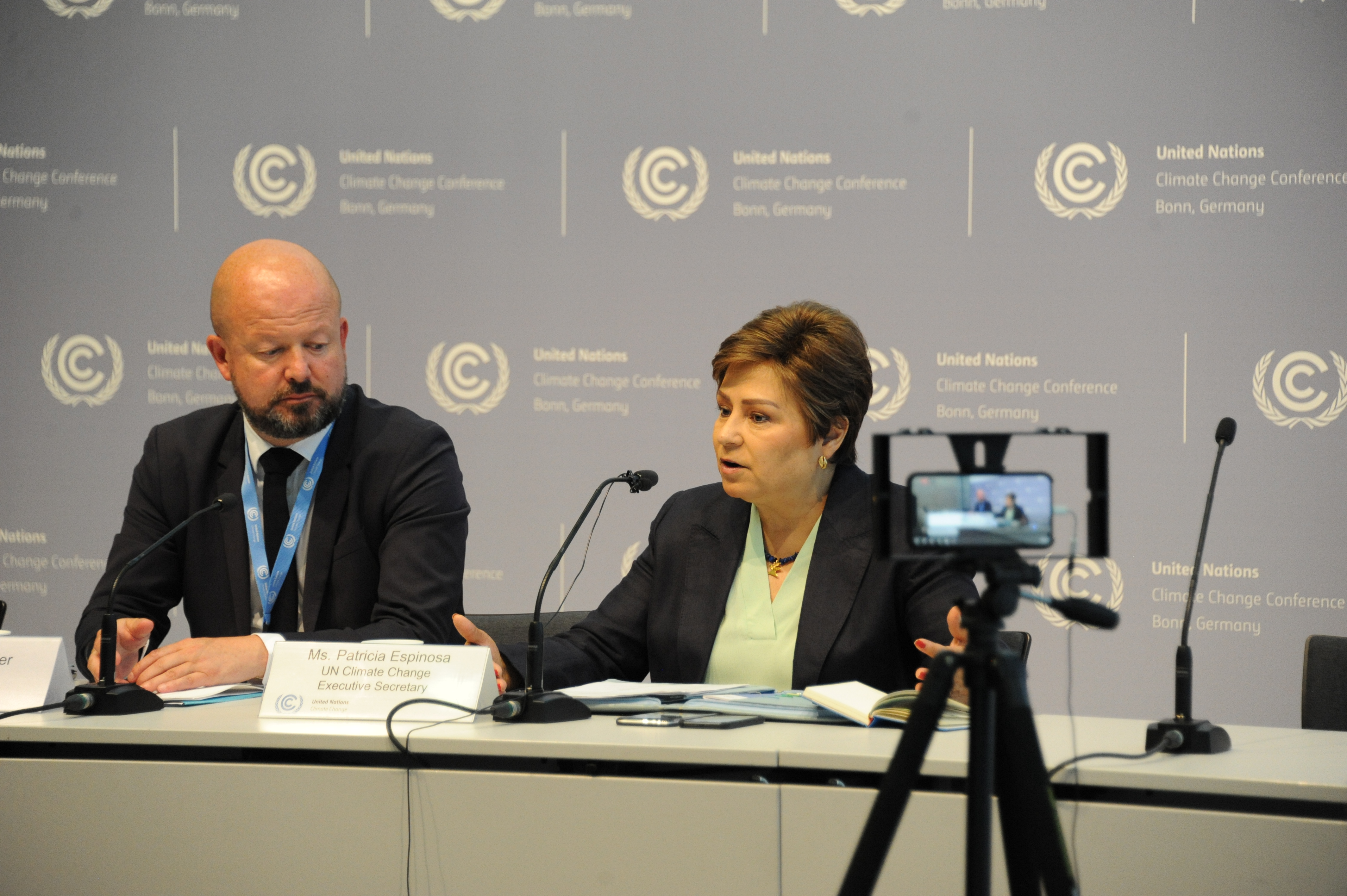
UN Climate Change Executive Secretary sent out signals for more ambitious climate action at the start of the UN Climate Change Conference in Bonn, where governments are meeting from June 17-27 to make progress on items central to climate change negotiations. Ms. Patricia Espinosa described the current situation as a ‘climate emergency’ and called on everyone to take part in ‘the fight of our lives.’
Spelling out the nature of the challenge ahead, Ms. Espinosa said that to reach carbon neutrality by 2050 and to limit global warming to 1.5 degrees Celsius in line with the goals of the Paris Climate Change Agreement, emissions need to be reduced by 45% by 2030. With current commitments by countries – through their Nationally Determined Contributions – falling far short of this target, there was a clarion call at the opening of this meeting for governments and all stakeholders to increase ambition on climate action without further delay.
It comes at the same time with a call to action for private companies, issued by a coalition of business, civil society and UN leaders, to make their contribution to reducing greenhouse gas emissions in order to limit the impacts of climate change.
Meanwhile, the latest OECD-IEA data shows that government support for fossil fuel production and use has risen again after a downward trend between 2013 and 2016. Despite the statistics, renewable energy investment in 2018 hit USD 288.9 billion, far exceeding fossil fuel investment, said IRENA.
Also on this topic: The United Nations Development Programme (UNDP) and the International Renewable Energy Agency (IRENA) announced a global partnership to accelerate low-carbon energy transition and offer concrete steps to achieve sustainable development.
Here’s what else has happened
Ebola: WHO’s funding shortfall in the Ebola outbreak response in the Democratic Republic of Congo is of US$54 million. If the funds are not received, WHO will be unable to sustain the response at the current scale. Other partners are also facing shortfalls that have led some to reduce or stop operations.
South Sudan: 61% of the South Sudan population will face crisis levels of food insecurity, the highest number ever, three United Nations agencies warned. Delayed onset of 2019 seasonal rains combined with persistent economic instability, the effects of previous years of conflict and related asset depletion and population displacements, have contributed to the disruption of livelihoods and has reduced people’s ability to access food.
Environment & climate action: Close to $1 billion were approved for environment and climate action programmes and projects at the Global Environment Facility (GEF) meetings. They range from an integrated programme aimed at a “transformational shift in the agriculture and land use systems” to helping fishing people in Timor-Leste, improving the management of soils in Caribbean islands, and tackling the illegal world wildlife trade.
Yemen: Torrential rains and widespread flooding across 12 governorates in Yemen in recent weeks have affected tens of thousands of people, leaving many in urgent need of emergency assistance. Humanitarian assessments are ongoing, but preliminary reports from local authorities indicate that more than 80,000 people have been impacted.
Democratic Republic of Congo: Massive displacement reported in north-eastern DRC amid new violence. According to UNHCR, inter-ethnic attacks in the Ituri Province have displaced more than 300,000 since early June.
Reports
Progress on household drinking water, sanitation and hygiene: 2000-2017
Some 2.2 billion people around the world do not have safely managed drinking water services, 4.2 billion people do not have safely managed sanitation services and 3 billion lack basic handwashing facilities, according to a new report by UNICEF and the World Health Organization.
The ”Progress on drinking water, sanitation and hygiene: 2000-2017: Special focus on inequalities” report finds that 1.8 billion people have gained access to basic drinking water services since 2000, but there are vast inequalities in the accessibility, availability, and quality of these services. The report also says that 2.1 billion people have gained access to basic sanitation services since 2000 but in many parts of the world the wastes produced are not safely managed.
“Countries must double their efforts on sanitation or we will not reach universal access by 2030,” said Dr. Maria Neira, WHO Director, Department of Public Health, Environmental and Social Determinants of Health. “If countries fail to step up efforts on sanitation, safe water and hygiene, we will continue to live with diseases that should have been long ago consigned to the history books.”
The report came at the same time with the European Council adopting conclusions approving EU human rights guidelines on safe drinking water and sanitation.
Lifelines: The Resilient Infrastructure Opportunity
The net benefit of investing in more resilient infrastructure in low- and middle-income countries would be $4.2 trillion, according to a new report from the World Bank and the Global Facility for Disaster Reduction and Recovery (GFDRR). It examines four essential infrastructure systems: power, water and sanitation, transport, and telecommunications. Making them more resilient is critical, the report finds, not only to avoid costly repairs but also to minimize the wide-ranging consequences of natural disasters for the livelihoods and well-being of people.
The report also finds that the lack of resilient infrastructure harms people and firms more than previously understood. Natural disasters, for instance, cause direct damages to power generation and transport infrastructure, costing about $18 billion a year in low- and middle-income countries.
Events
Asia-Pacific Climate Week 2019
Bangkok, Thailand
2-6 September 2019
Asia-Pacific Climate Week (APCW) 2019 is designed to advance regional climate action. It aims to support the implementation of Asia-Pacific countries’ Nationally Determined Contributions (NDCs) under the Paris Agreement on climate change and action to deliver on the SDGs. APCW is envisioned as a stepping stone to the UN 2019 Climate Summit.